Making Digital Tools Work in Healthcare: It Starts With Real‑World Use
In healthcare settings, the challenge is no longer to introduce digital tools, but to make them work within everyday practices.Teams are already highly solicited, organisations are complex, and situations are unpredictable. In this context, a tool is only adopted if it fits smoothly into existing routines, without adding workload or friction.
This is not a criticism of innovation quality. It simply highlights the need to treat use with the same level of attention as technology.
1. Observing practices: an essential first step
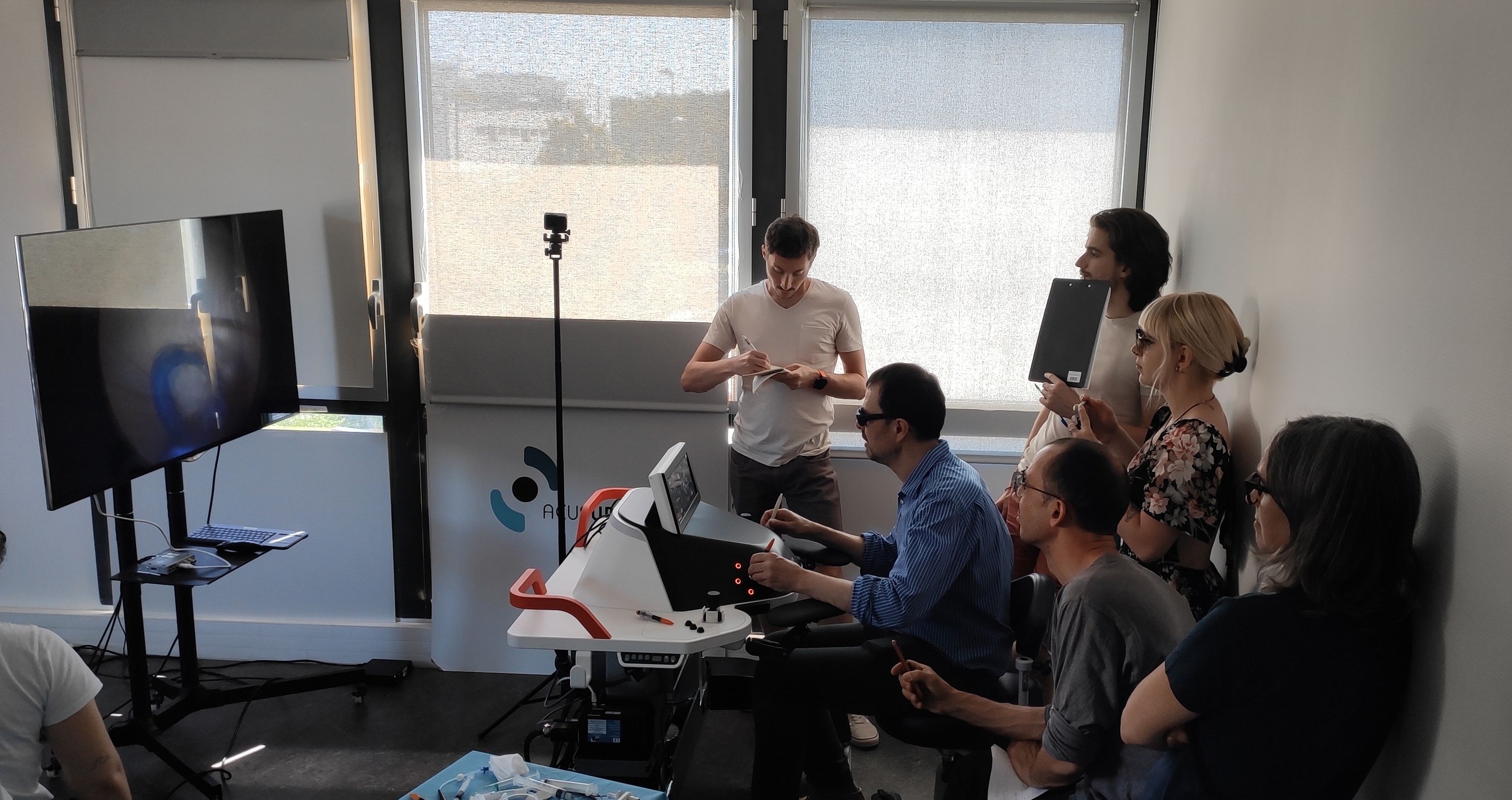
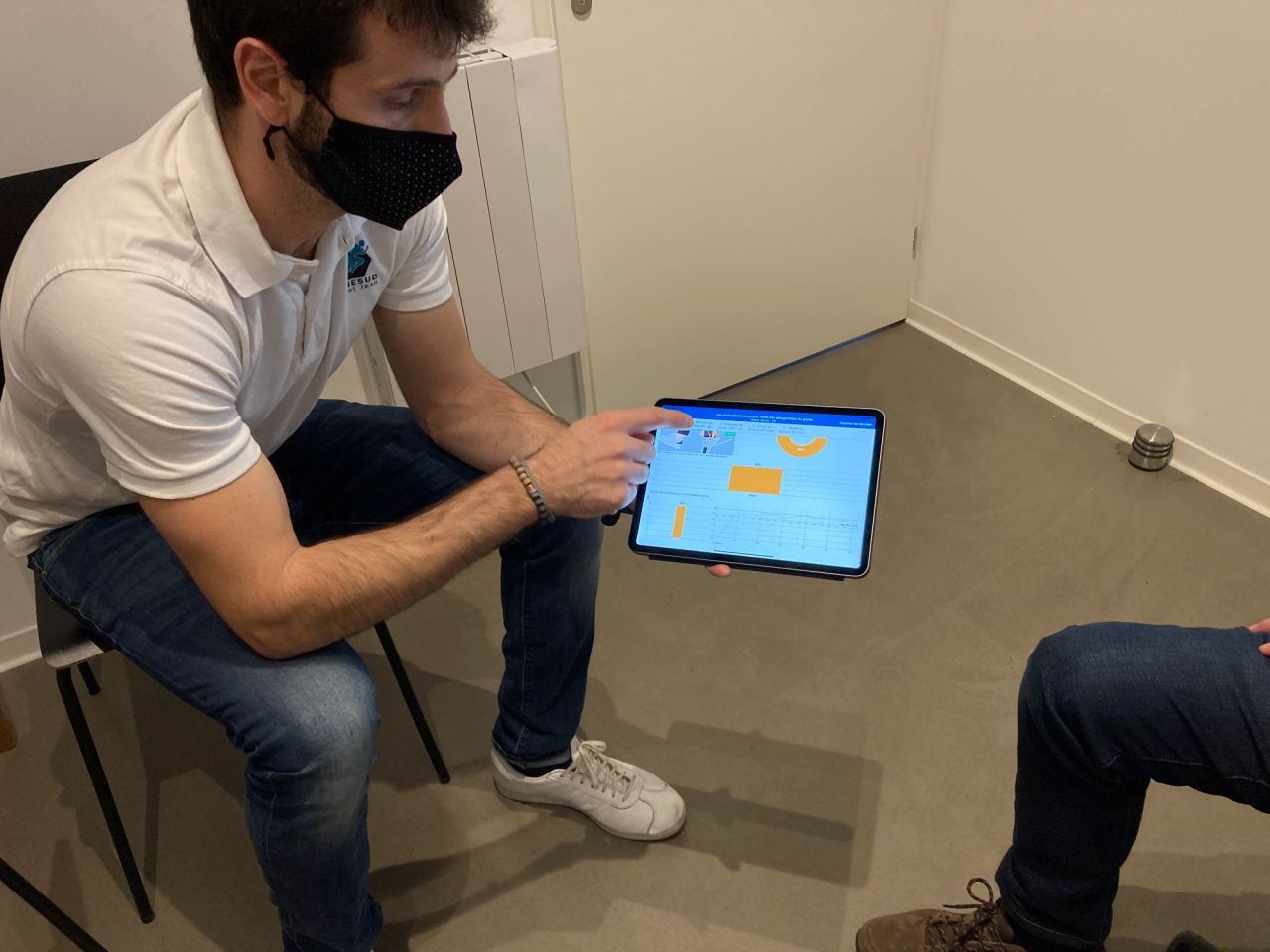
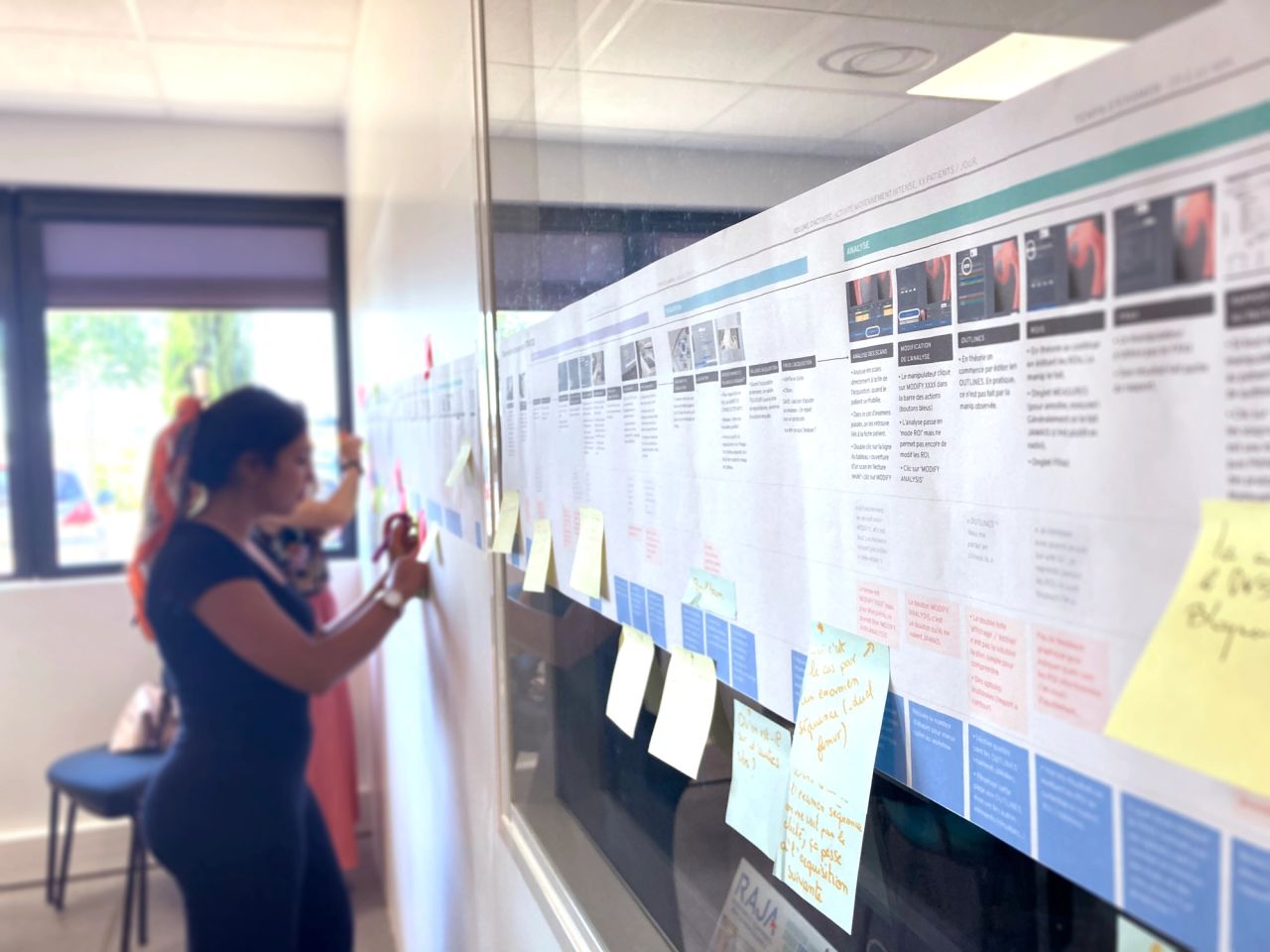
Each healthcare facility operates with its own adjustments, often invisible in theoretical workflows.These everyday logics — sometimes very subtle — determine how a tool will actually be used.
Observation helps reveal:
- where detours occur,
- which constraints accumulate,
- which gestures take priority during action,
- how teams organise themselves to manage their workload.
This material is essential: it prevents misunderstandings and guides design decisions.
2. Building a shared language
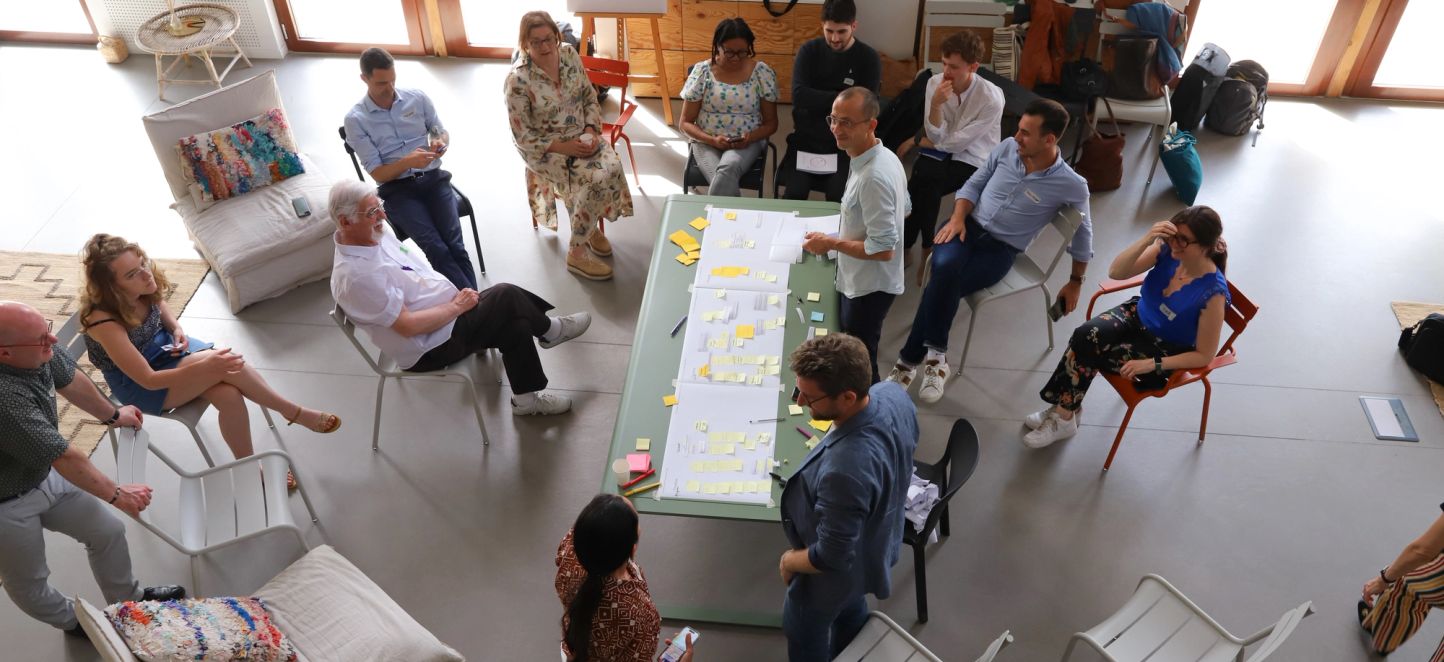
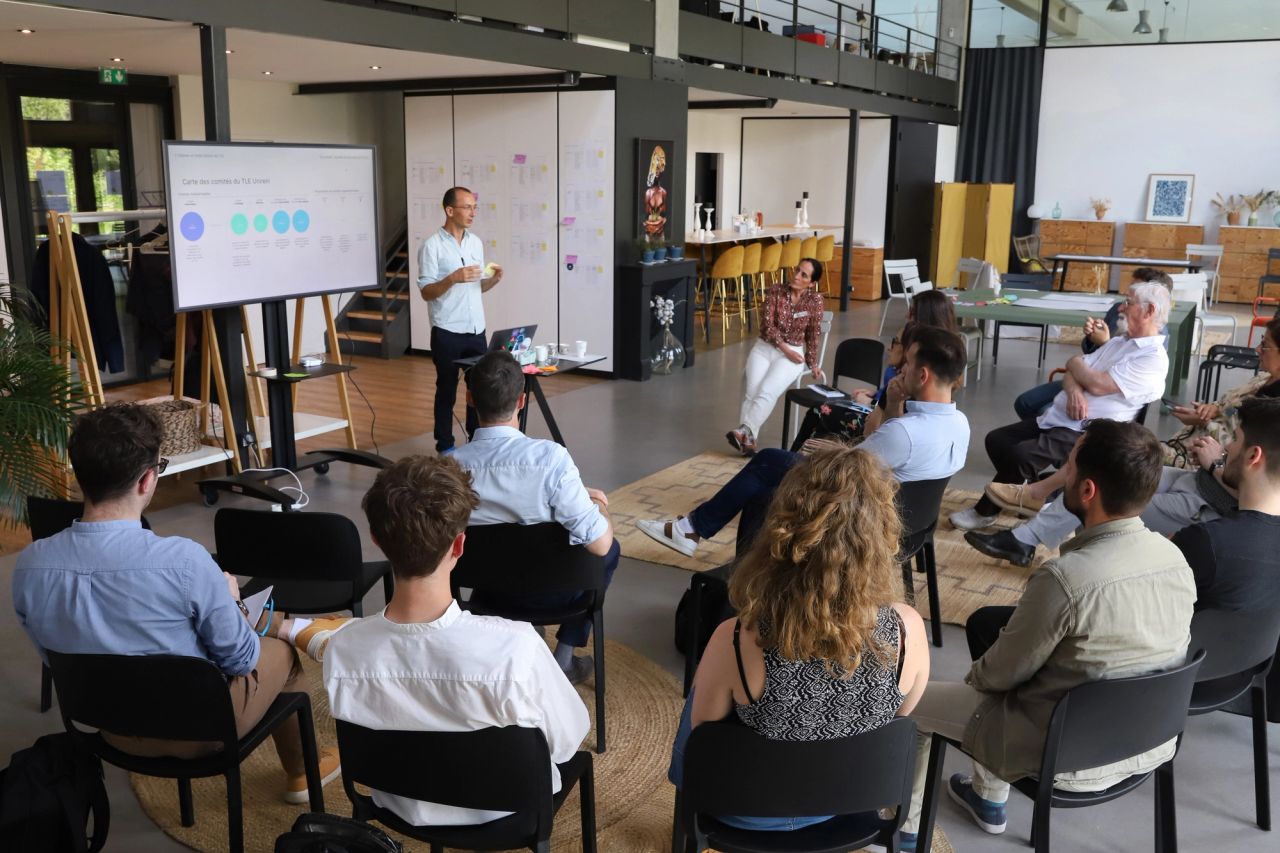
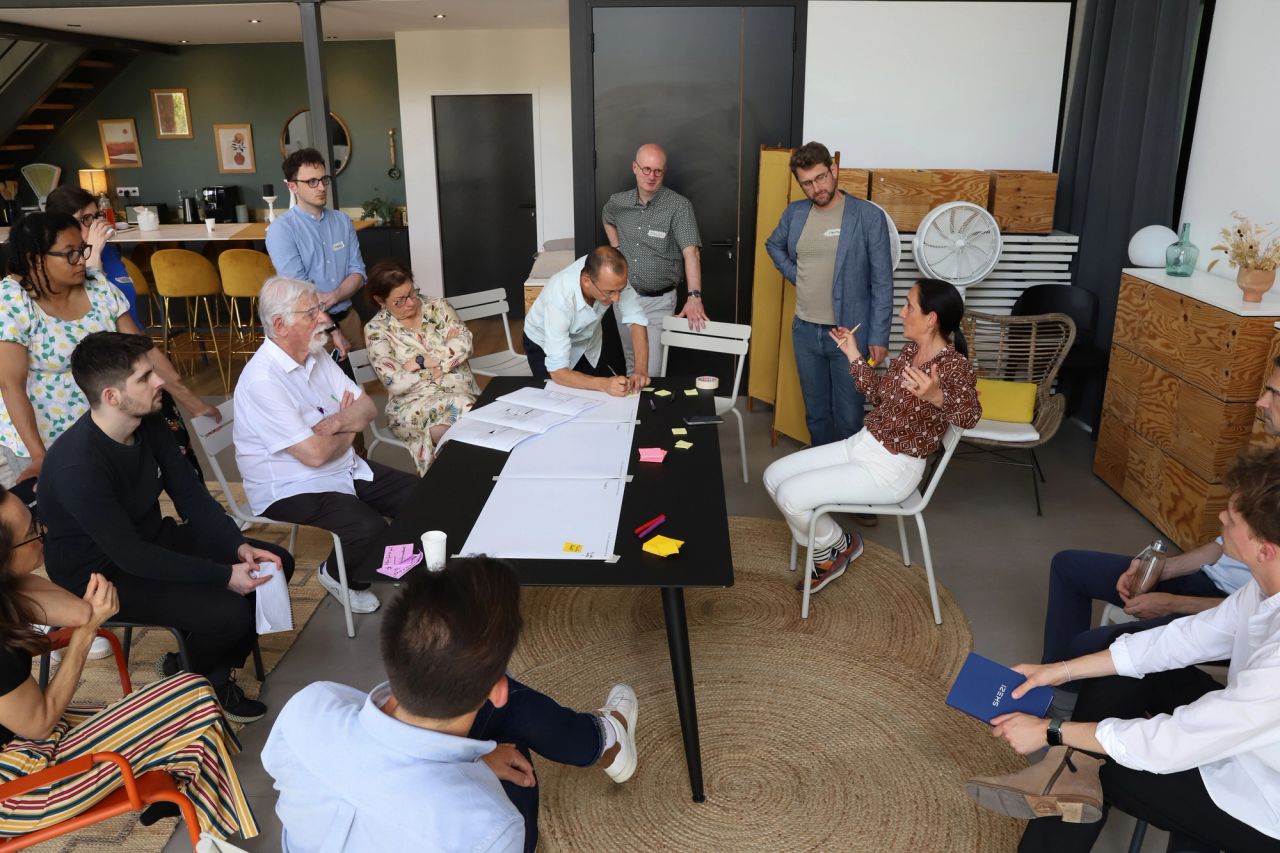
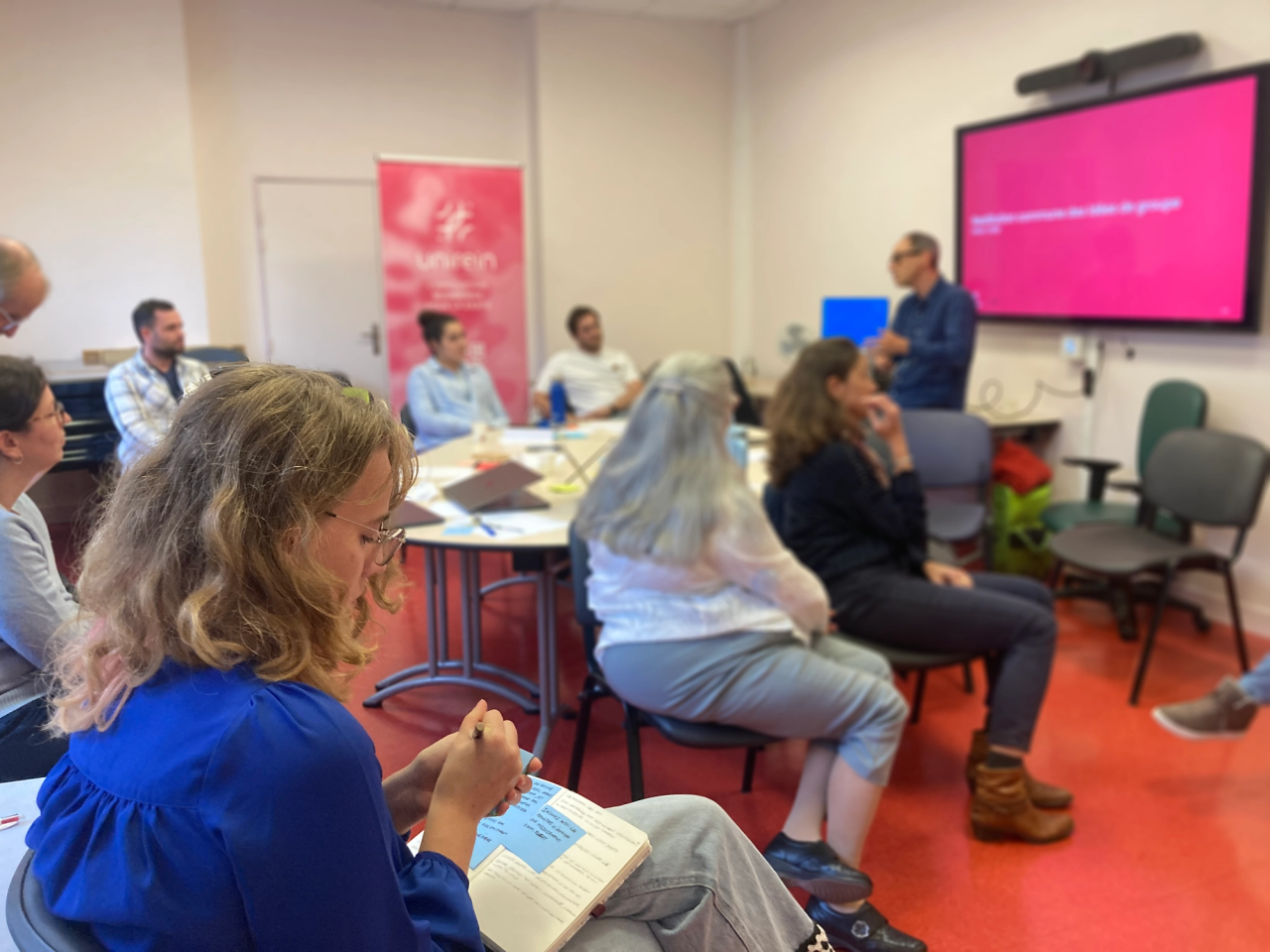
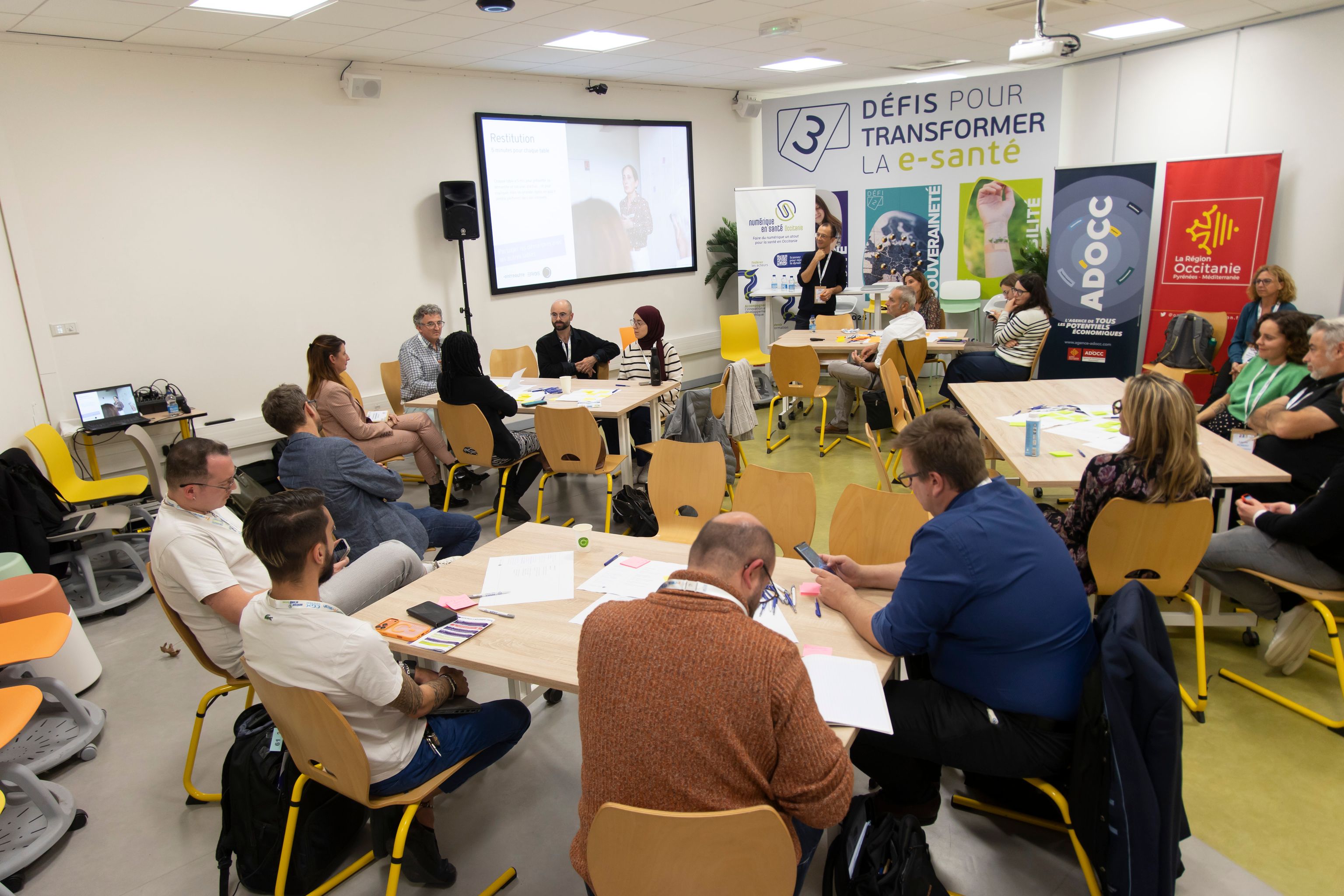
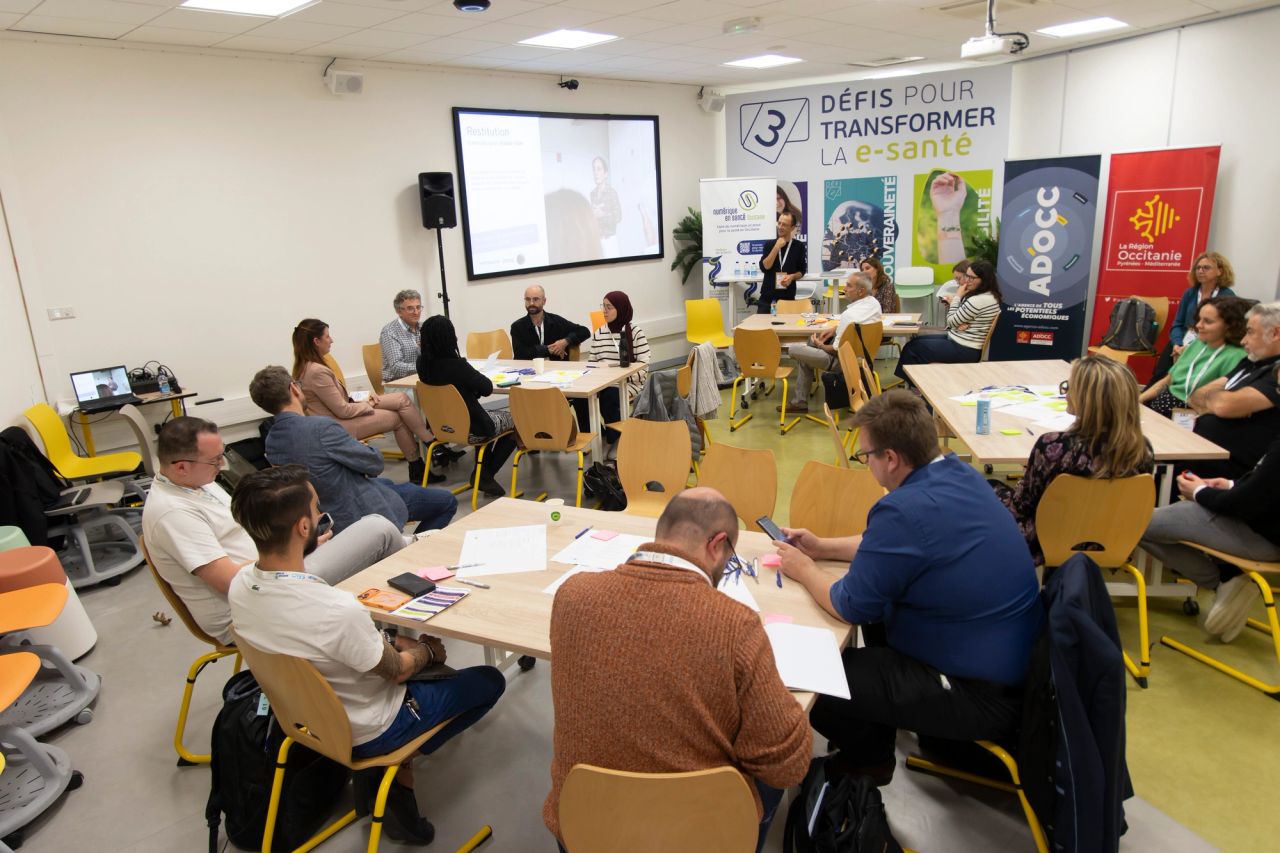
A digital project involves many stakeholders with different roles and rhythms: caregivers, patients, family members, management, administration, technical teams and external partners.These visions are not contradictory — they complement each other. But for the project to progress, they must meet and align.
Design offers a simple frame to achieve this:
- structured moments of exchange,
- clear visual supports,
- shared decision-making.
This clarity makes the project easier to understand and supports long-term adoption.
3. Test early, adjust early
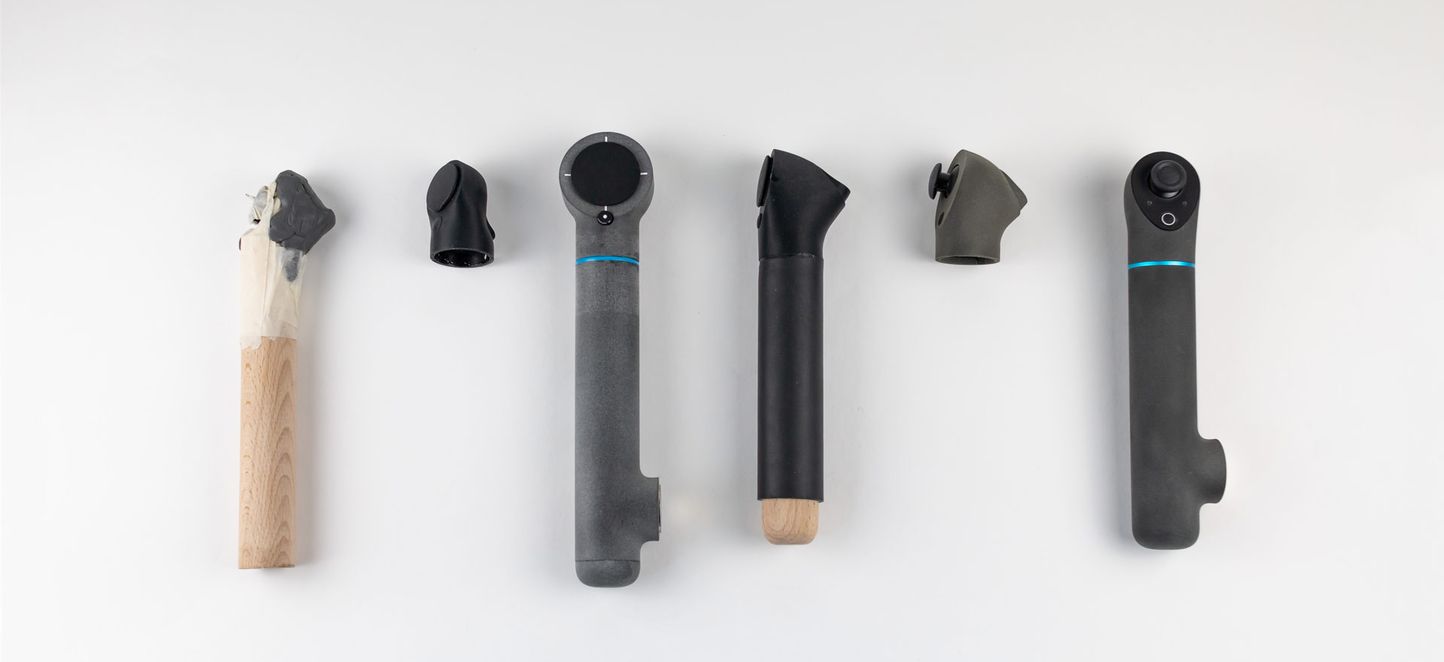
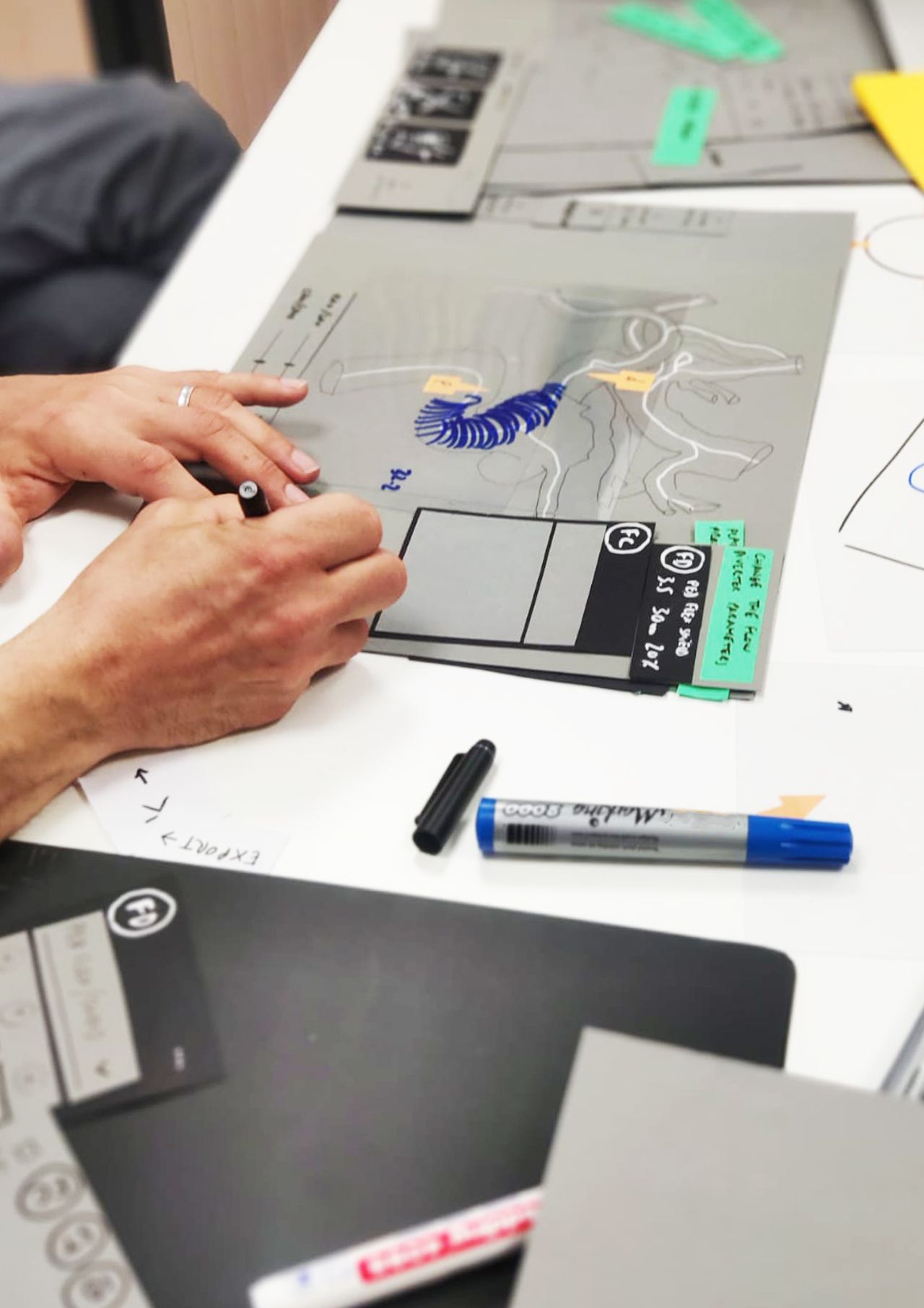
A prototype — even a very simple one — quickly shows what works and what hinders adoption.This approach prevents discovering major gaps at later stages, when they are harder to correct.
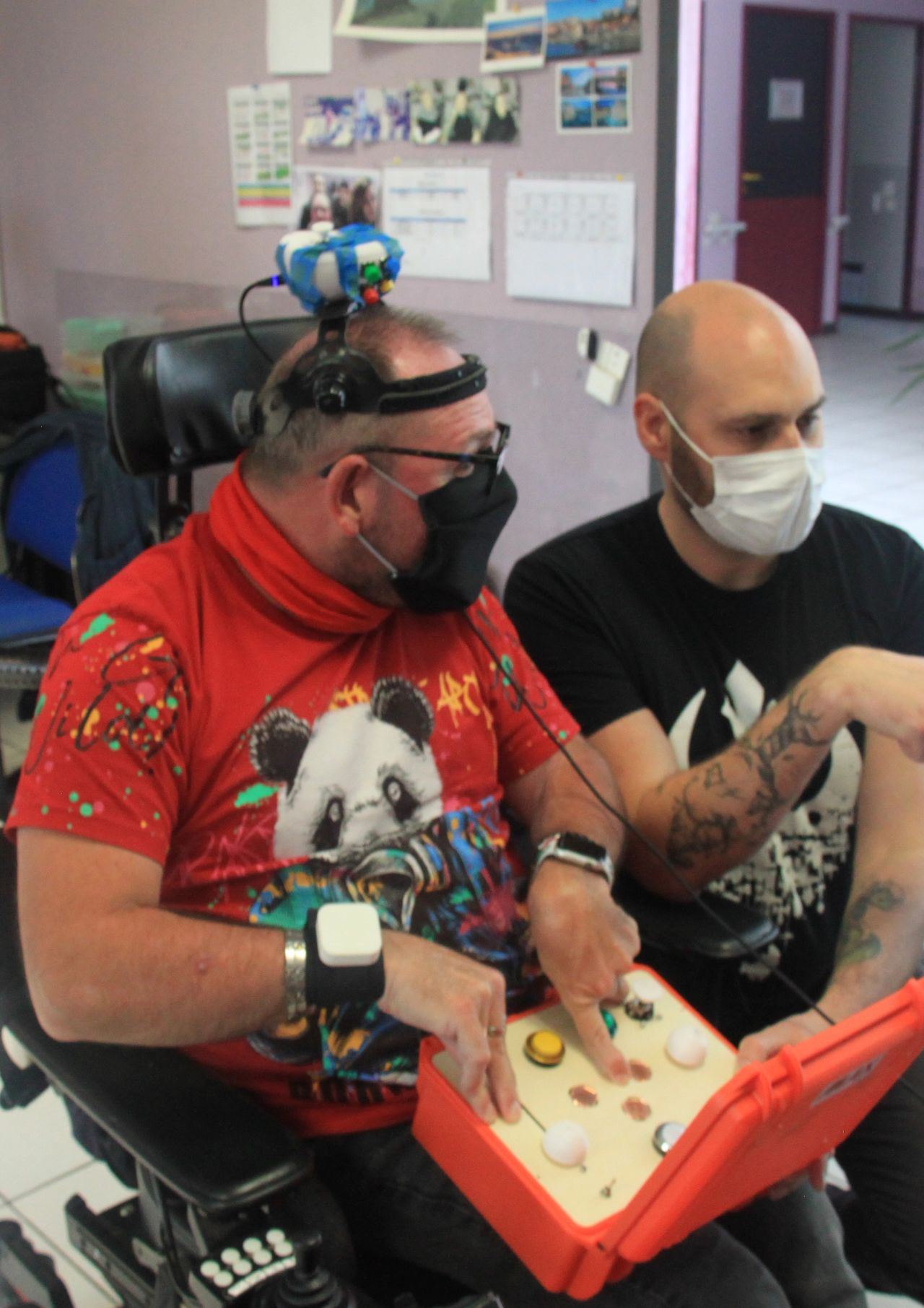
Tests are tailored to each service and to the product being developed.They allow us to observe every aspect of the experience and assess its effects.We verify whether a gesture or function fits naturally into the workflow, whether the proposed experience matches the pace of the service, and whether coordination between teams is eased — all while respecting technical and organisational constraints.
The goal is not to validate, but to adjust.
4. What our projects have taught us
Our work in healthcare shows that real-world use plays a decisive role in the success of a digital tool.
UNIREIN — Cooperating better to move faster
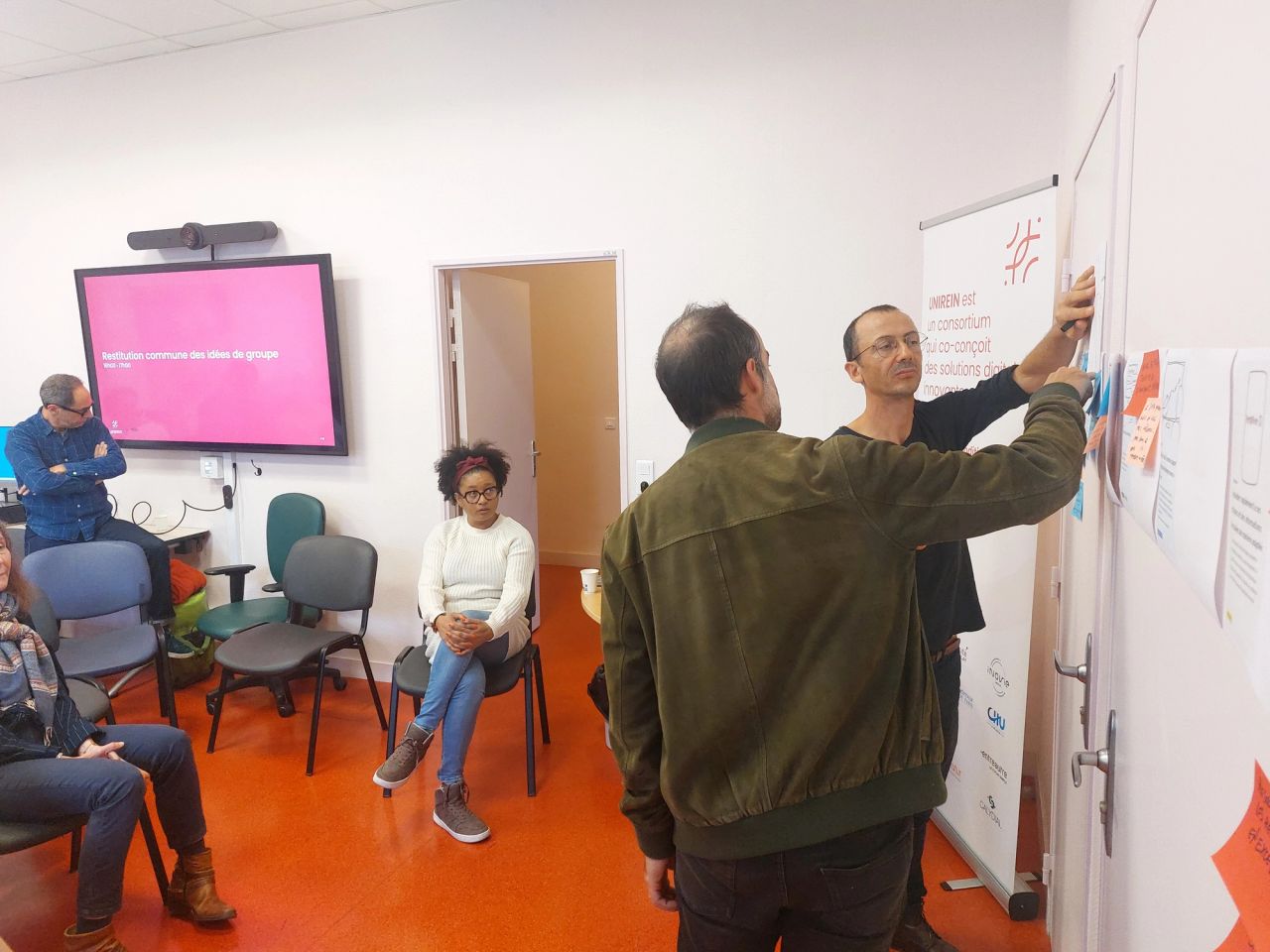
The 11 partners involved had different priorities. Our work focused on making governance more readable, using visual tools and simple rituals. → Lesson: clear structure accelerates field experimentation.
KINVENT — Adapting a product to varied professional practices
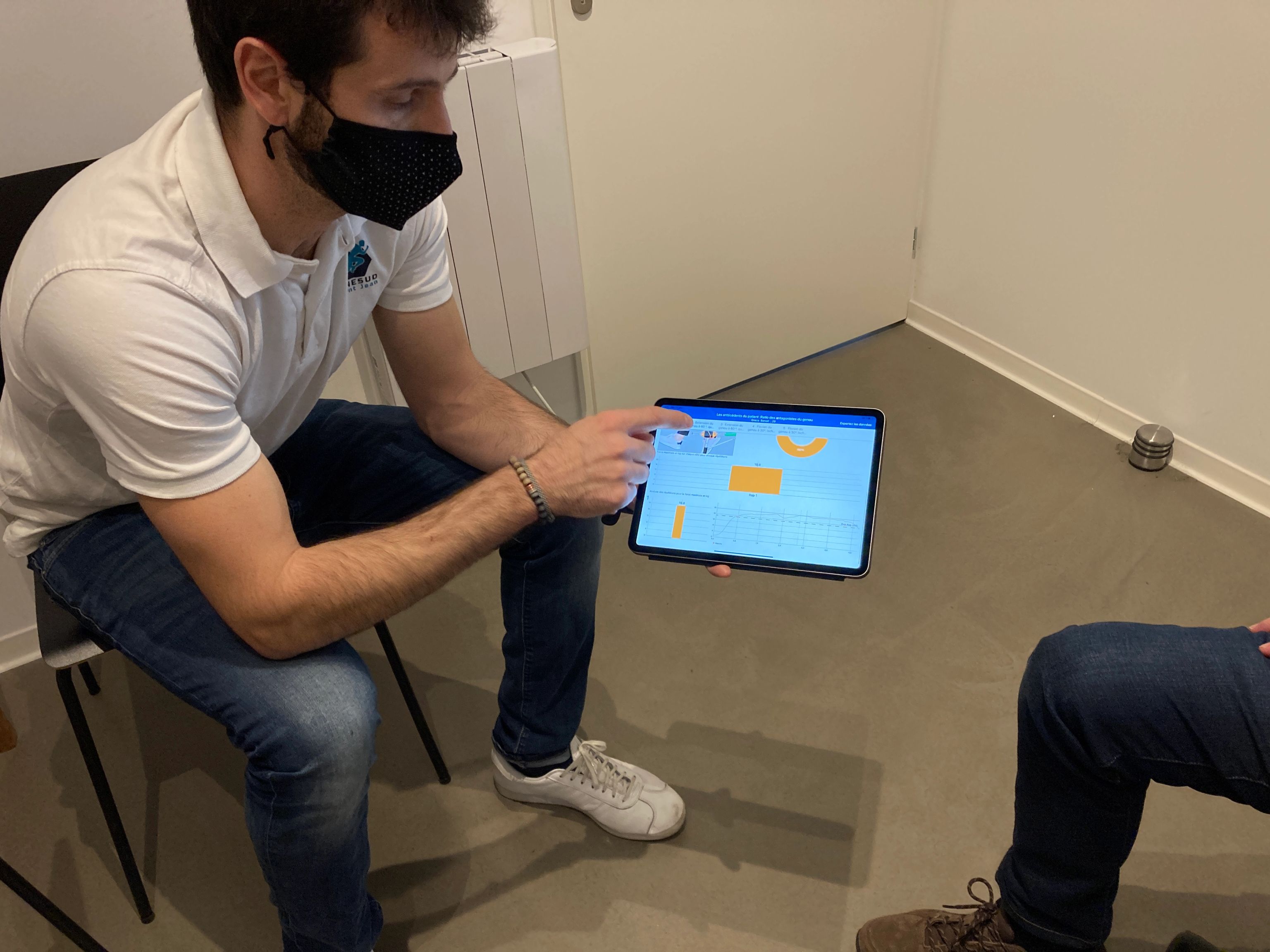
Movement professionals have different needs depending on their discipline. Observation helps adjust the product to remain coherent with real practices. → Lesson: a product may be singular, but usage never is.
Sim&Cure — Supporting clinical precision
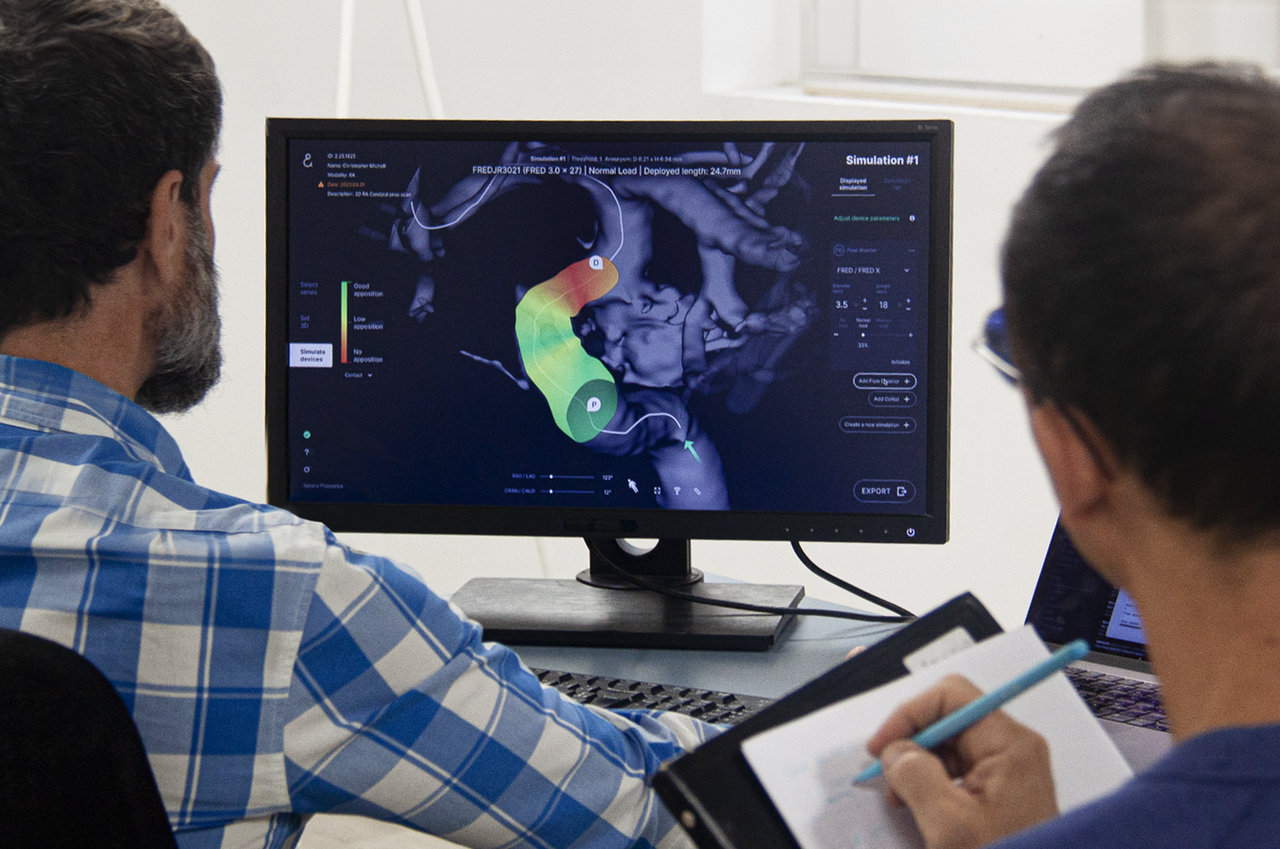
For Sim&Size, the challenge was not adding features but making essential information more accessible. → Lesson: clear interfaces support clinical decision-making.
DMS Imaging — Designing mobility in real situations
The key issue was daily use in dense clinical environments. Field tests helped integrate these constraints from the outset. → Lesson: mobility is understood in context, not on paper.

5. A sector moving forward by integrating use into project governance
National and regional initiatives show a clear trend:a stronger connection between innovation, field reality and adoption.
Health Experimentation Hubs (Tiers Lieux d’Expérimentation en Santé), for example, are helping to break silos across the country and support more applicable, effective projects.
In the Occitanie region, AD’OCC and Eurobiomed foster collaboration between healthcare centres and private actors.At the ISIS engineering school in Castres, students have access to a living lab that recreates real care pathways to test hardware and software.And in Montpellier, the University Hospital is evolving by integrating the outcomes of ERIOS — an experimentation approach grounded in use studies and co-design — at a strategic level.
This movement is heading in the right direction:
- more observation,
- more clarity in project framing,
- faster experimentation cycles,
- and better coordination among stakeholders.
A tool is adopted when it simply helps people work
Making digital tools work in healthcare does not depend on technological sophistication, but on their ability to support real gestures and real constraints.
When use becomes a central part of the project, tools gain in fluidity, teams gain in peace of mind, and organisations gain in clarity.
This is the direction we pursue: making innovation usable, useful and adoptable.