PROFIL — A modular system that adapts to use
01.Brief
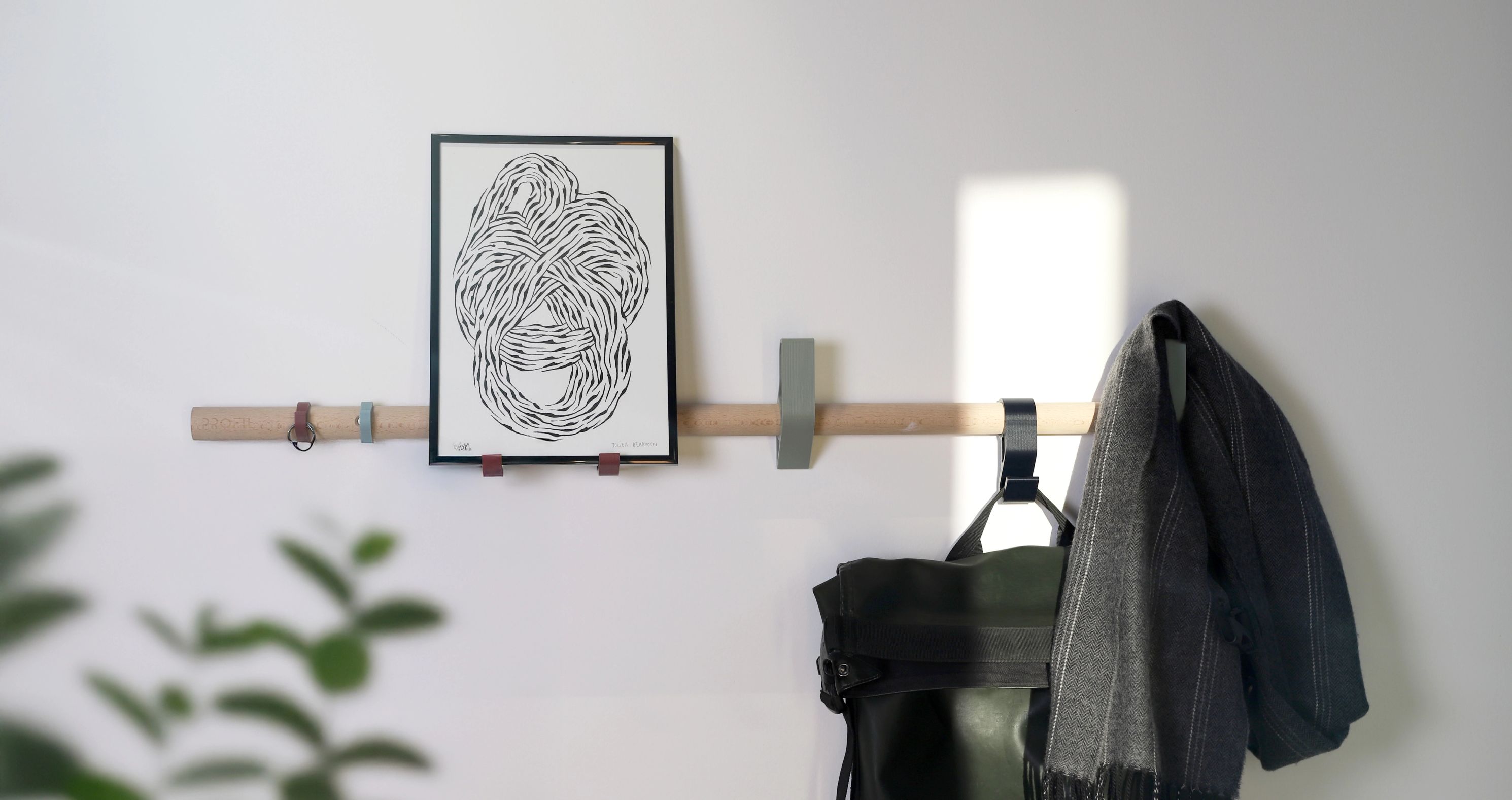
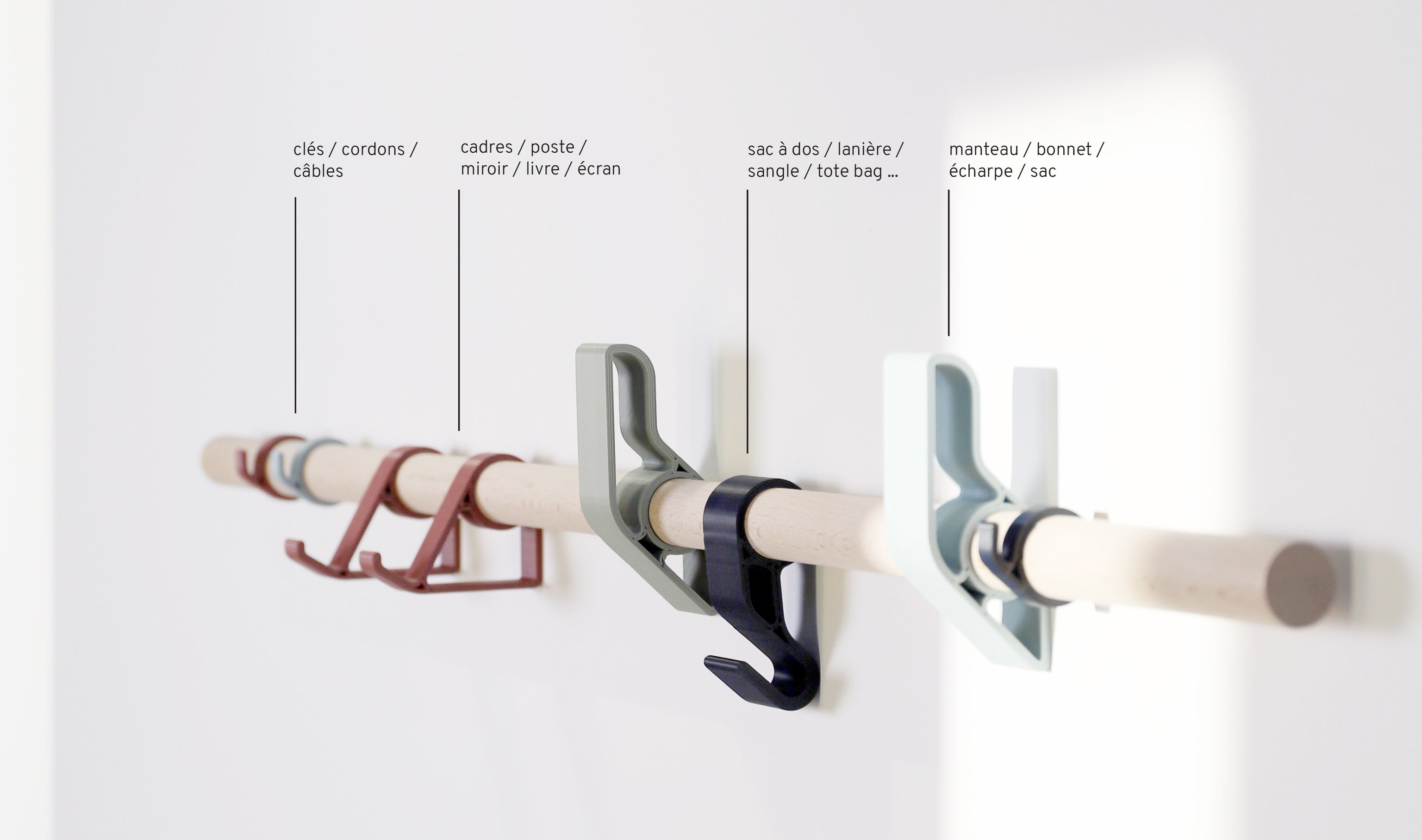
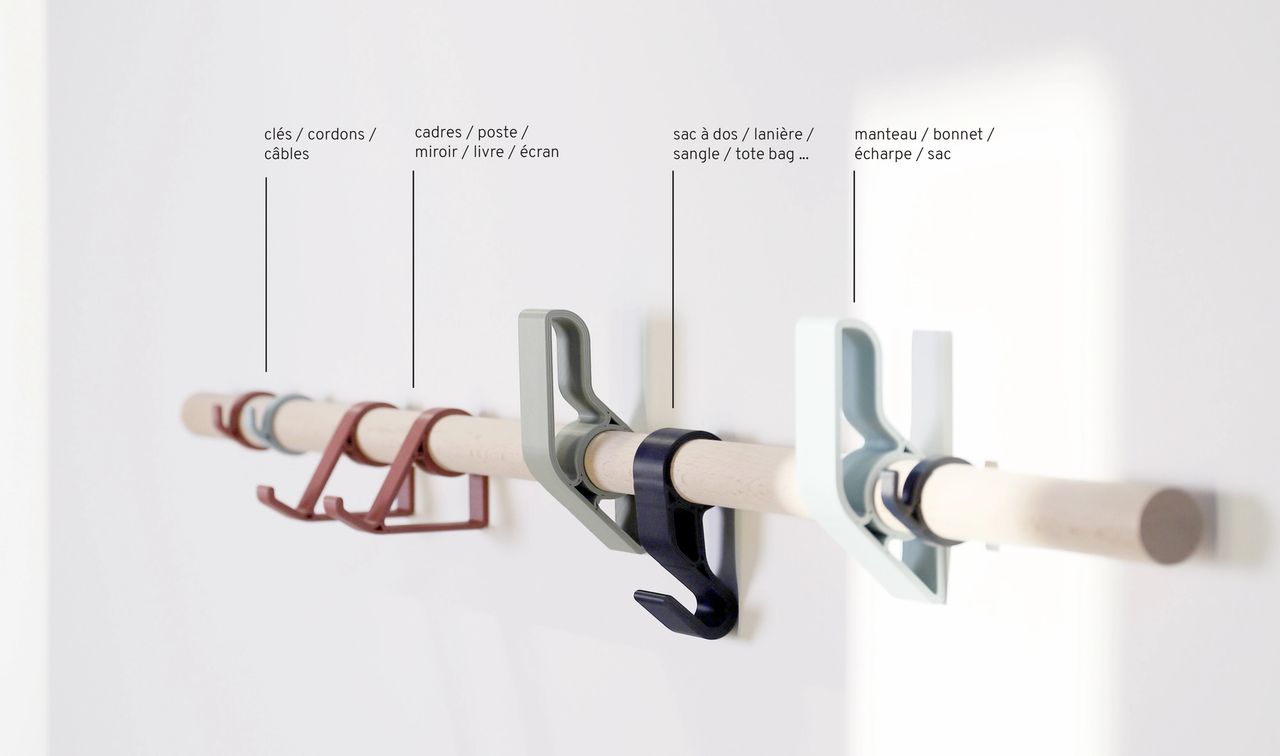
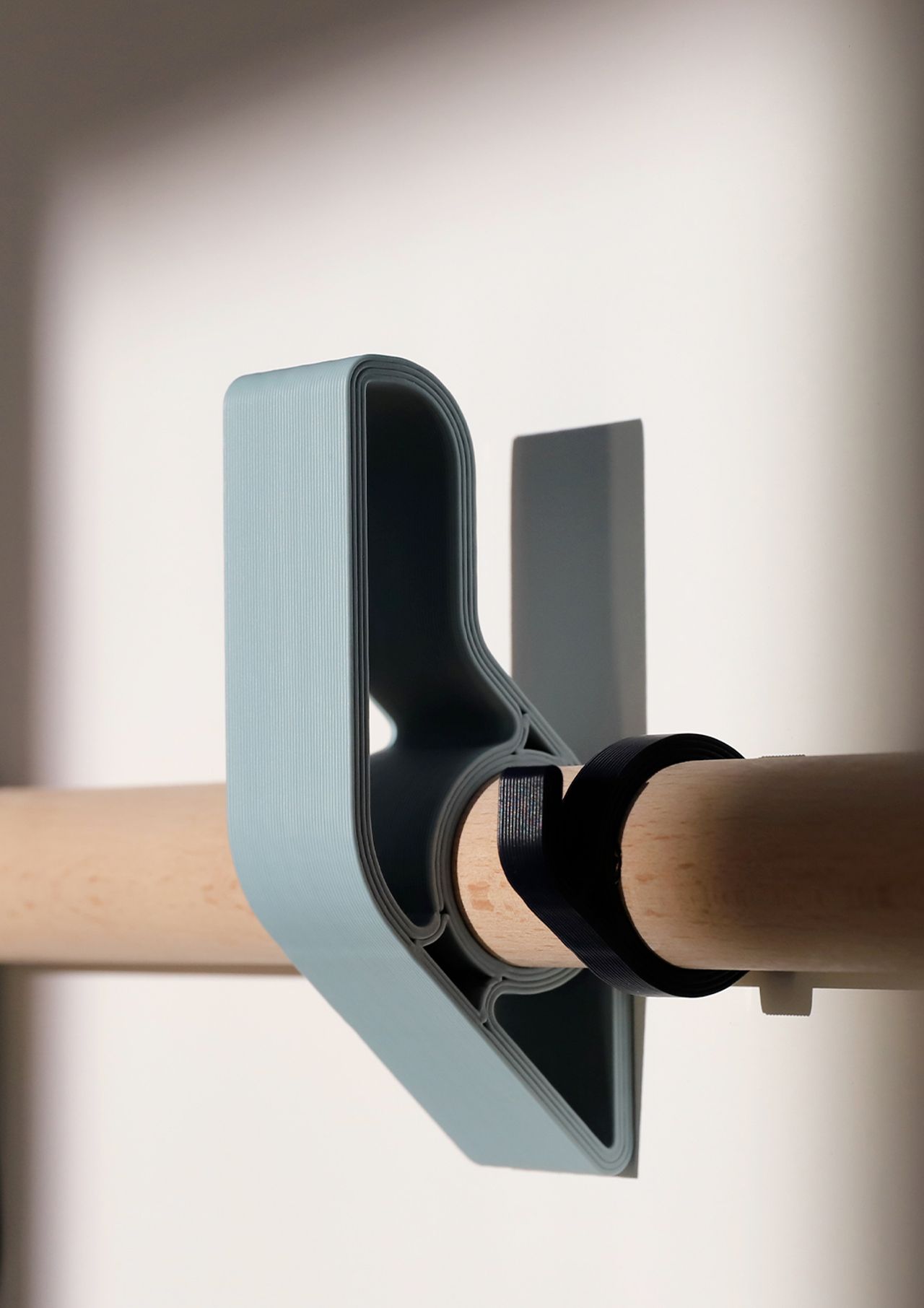
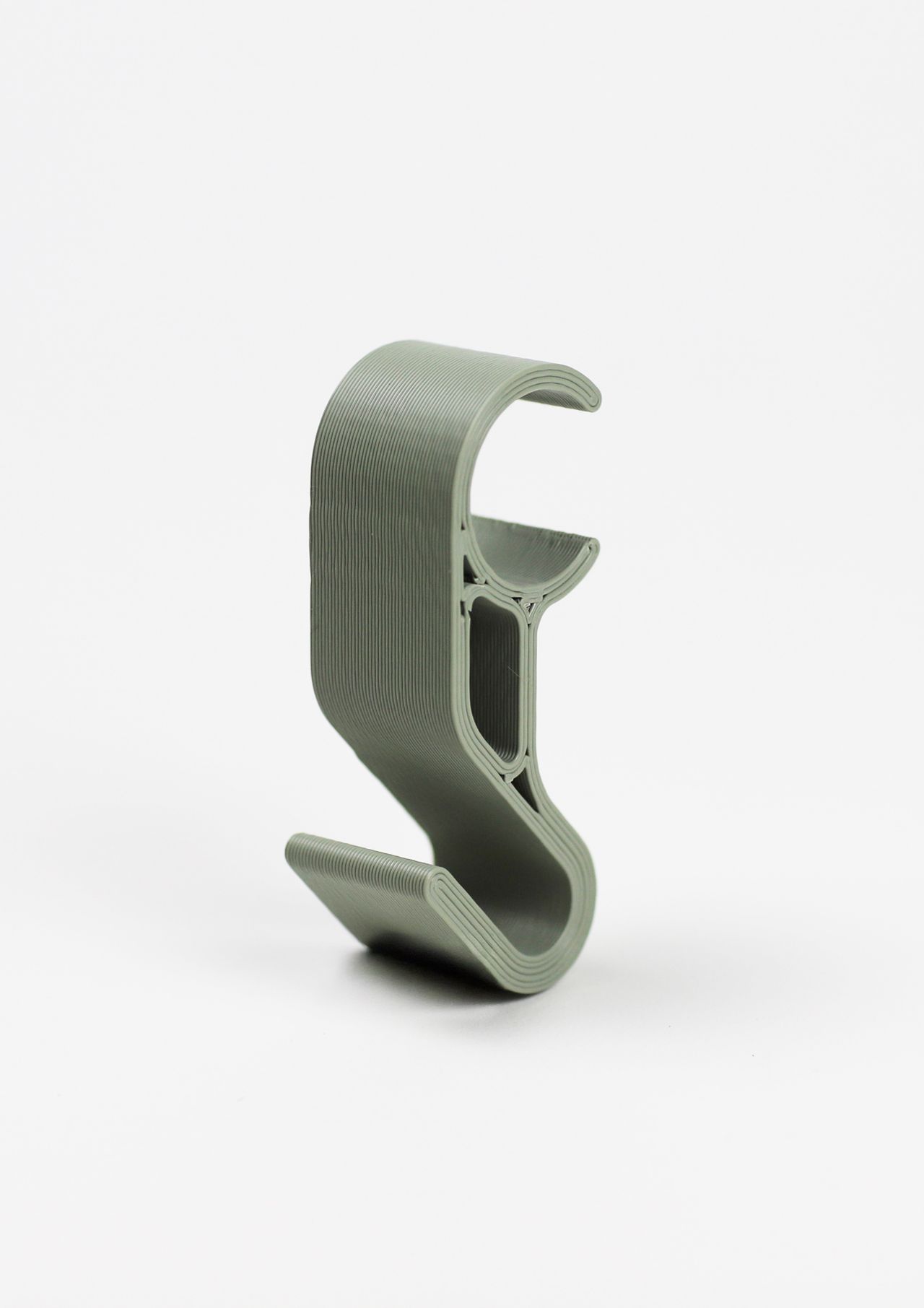
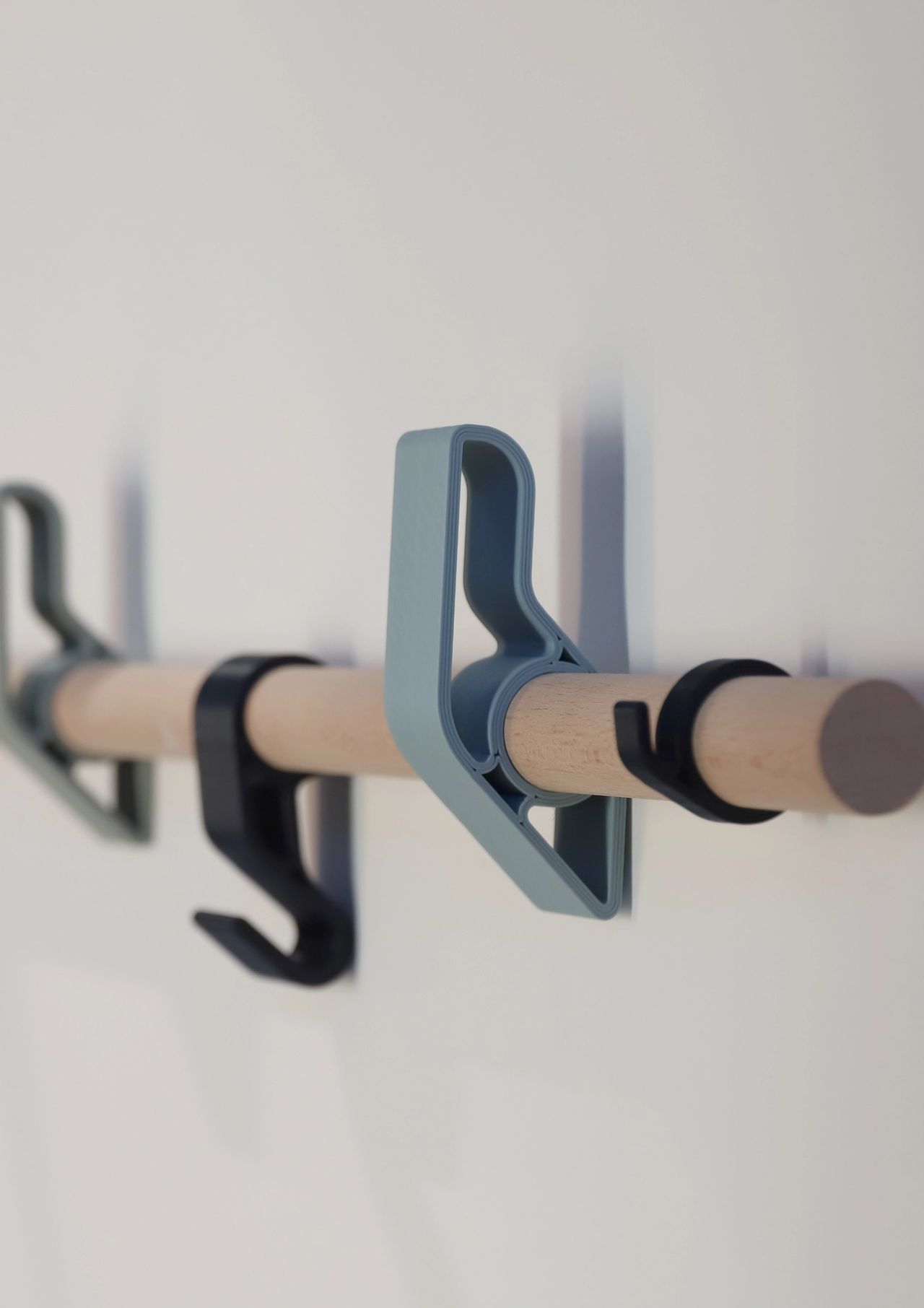
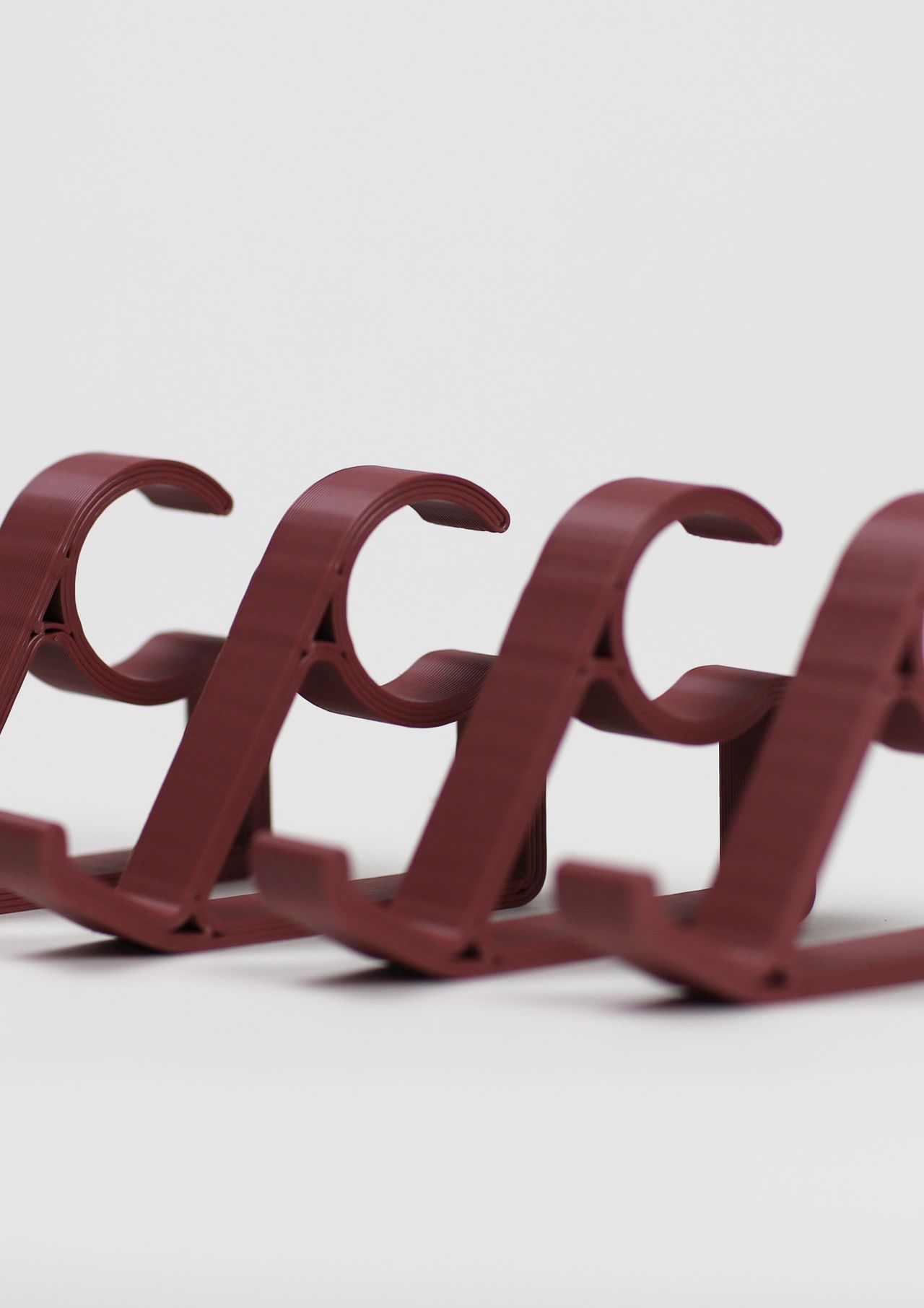
PROFIL offers a simple way to organize everyday objects through a structure that does not impose a single function, but supports needs that evolve over time.The system is based on a minimal rail and a collection of accessories that can be combined, moved, or replaced depending on the situation.The object remains stable; use can change.
2.A variety of objects requiring an adaptable solution
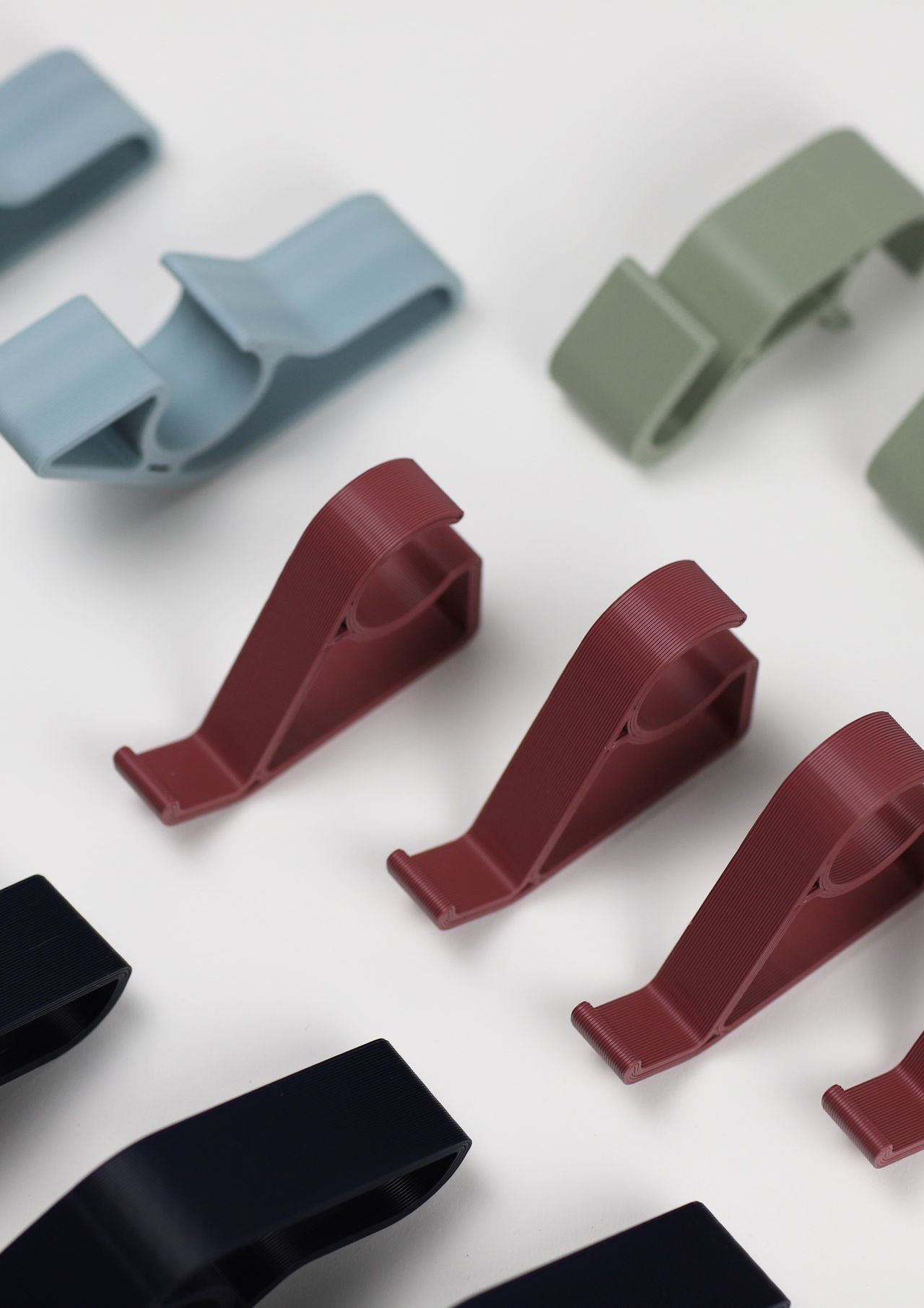
In an entryway, a kitchen, or an office, the objects we hang and use every day differ. PROFIL responds to this diversity with a wooden wall-mounted rail, while accessories define the function: hanging, holding, or organizing.The configuration evolves easily as needs change, without multiplying products. This approach makes the system intuitive, durable, and easy to adjust.
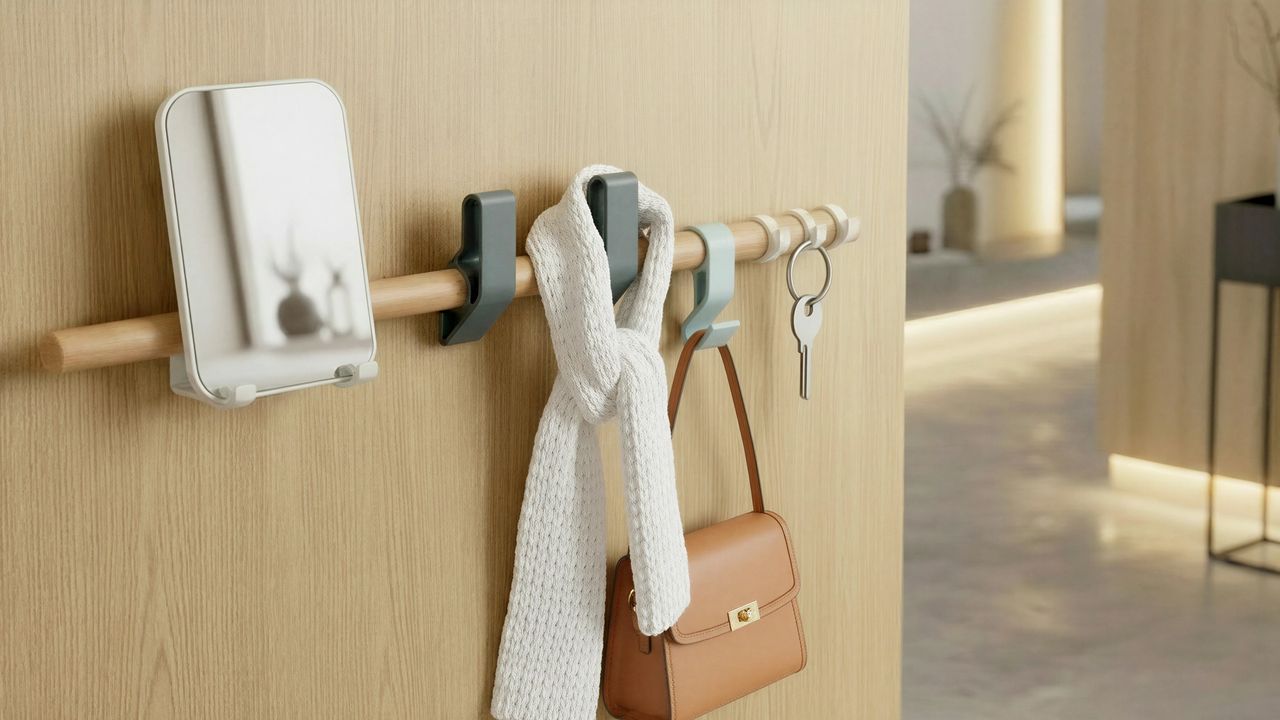
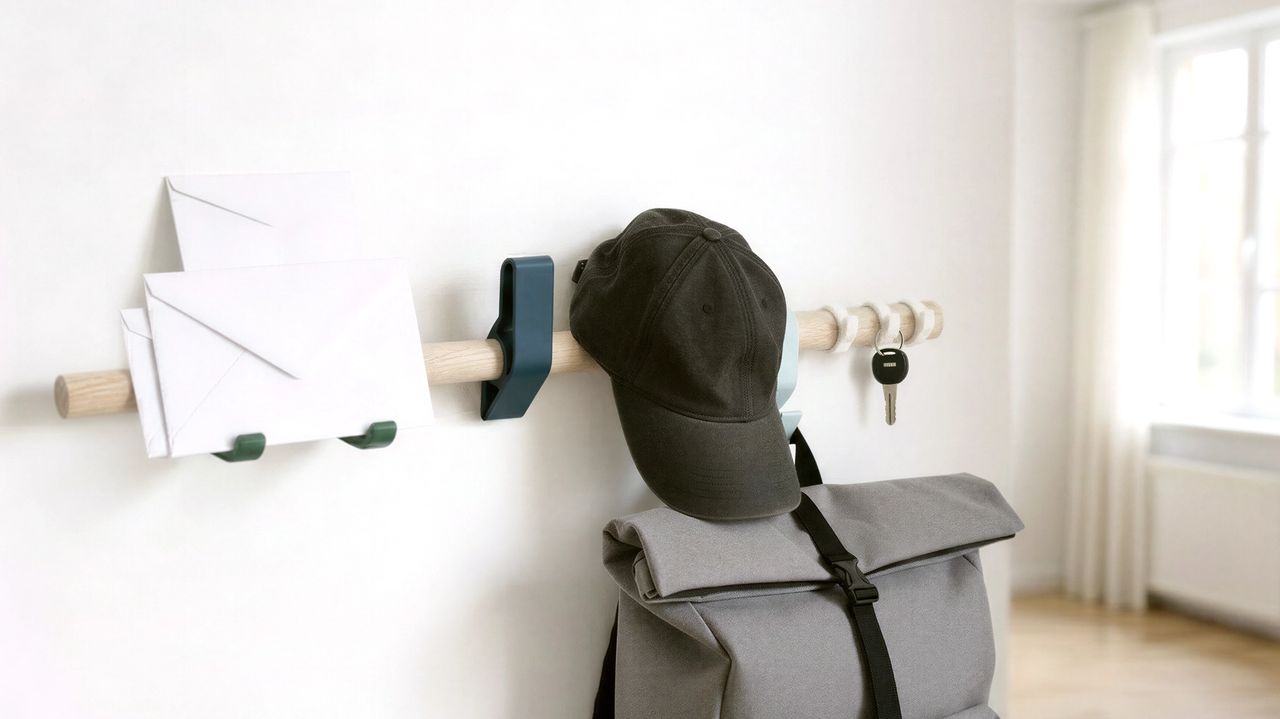
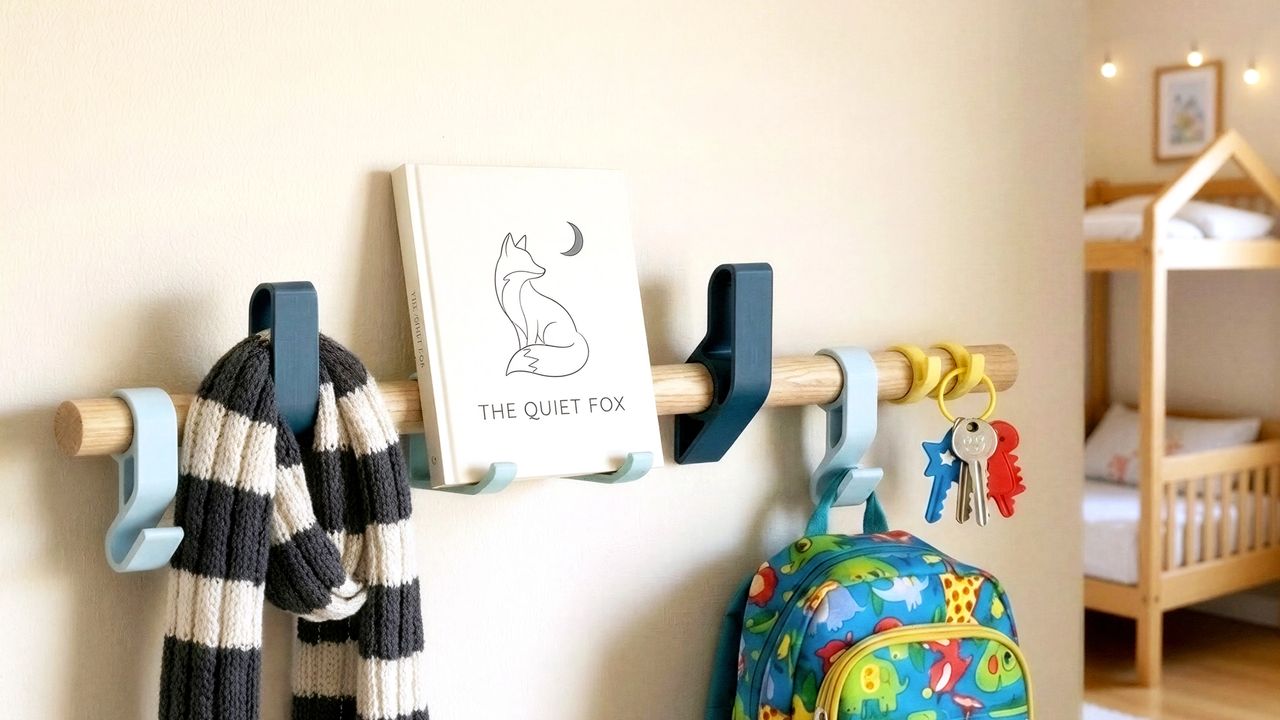
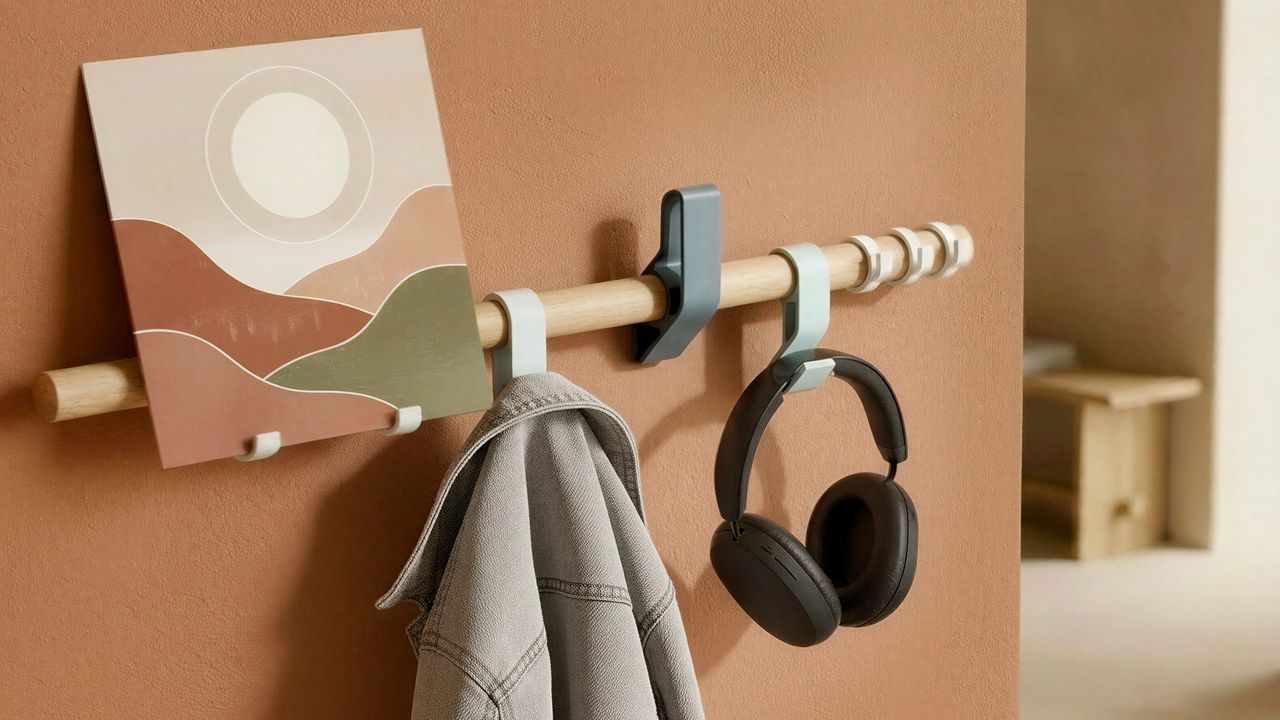
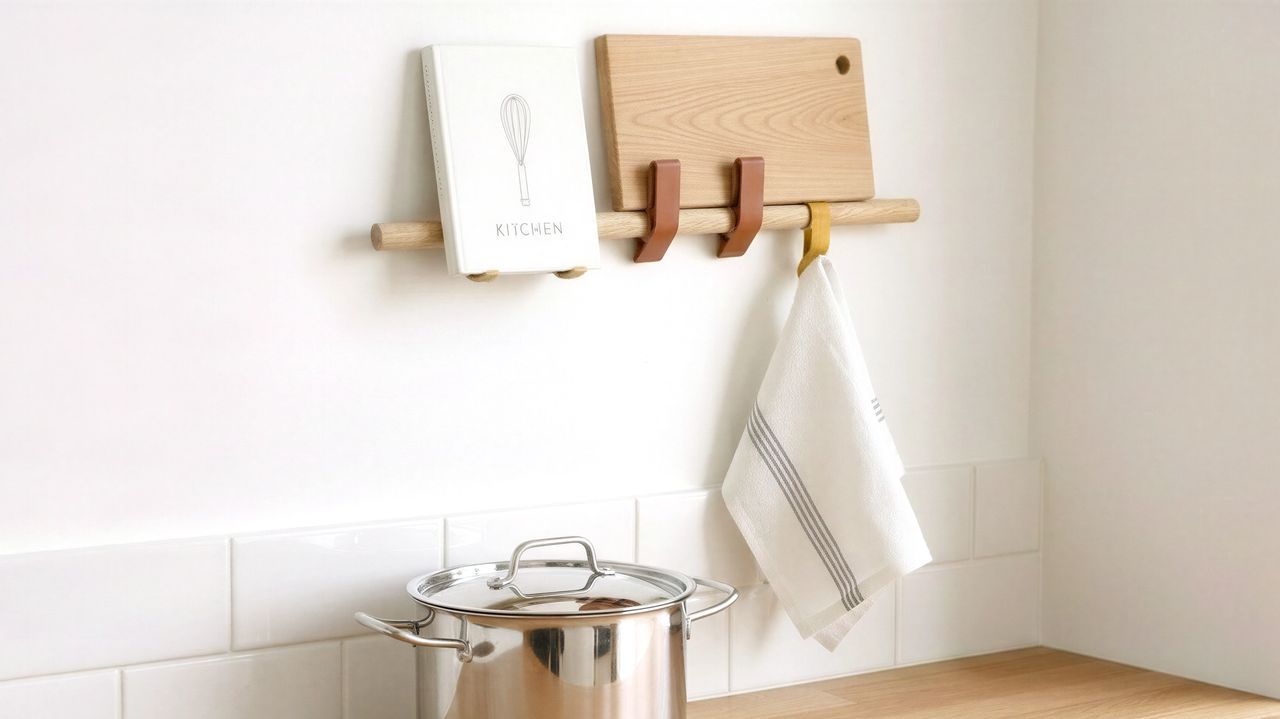
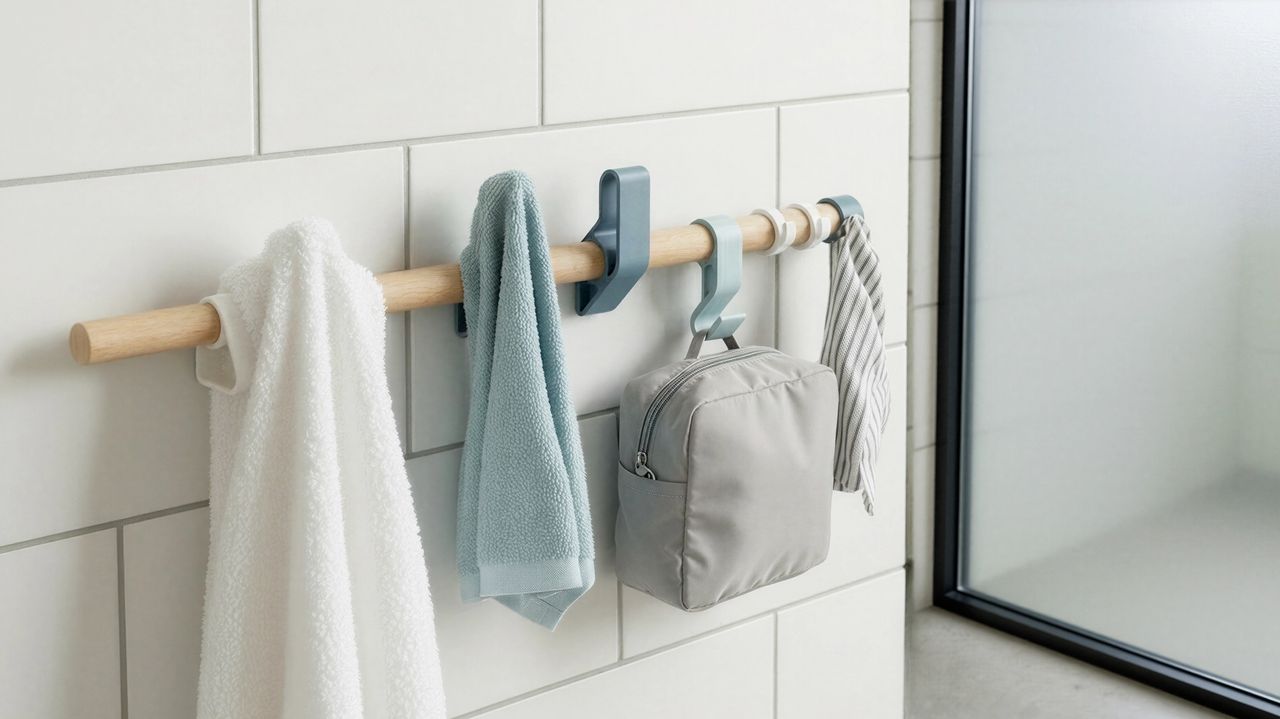
The configuration evolves easily as needs change, without multiplying products. This approach makes the system intuitive, durable, and easy to adjust.
3.Technology enabling modular diversity
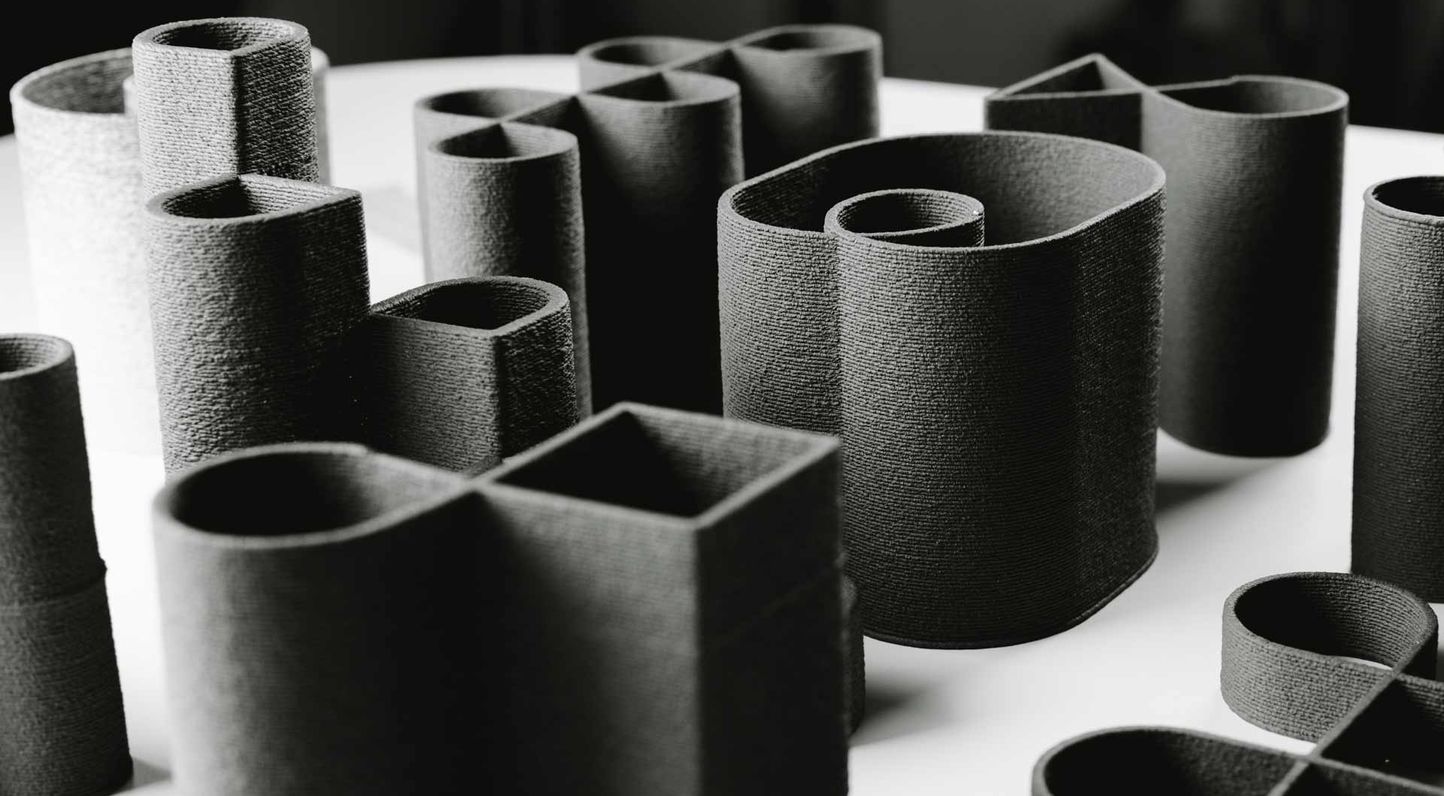
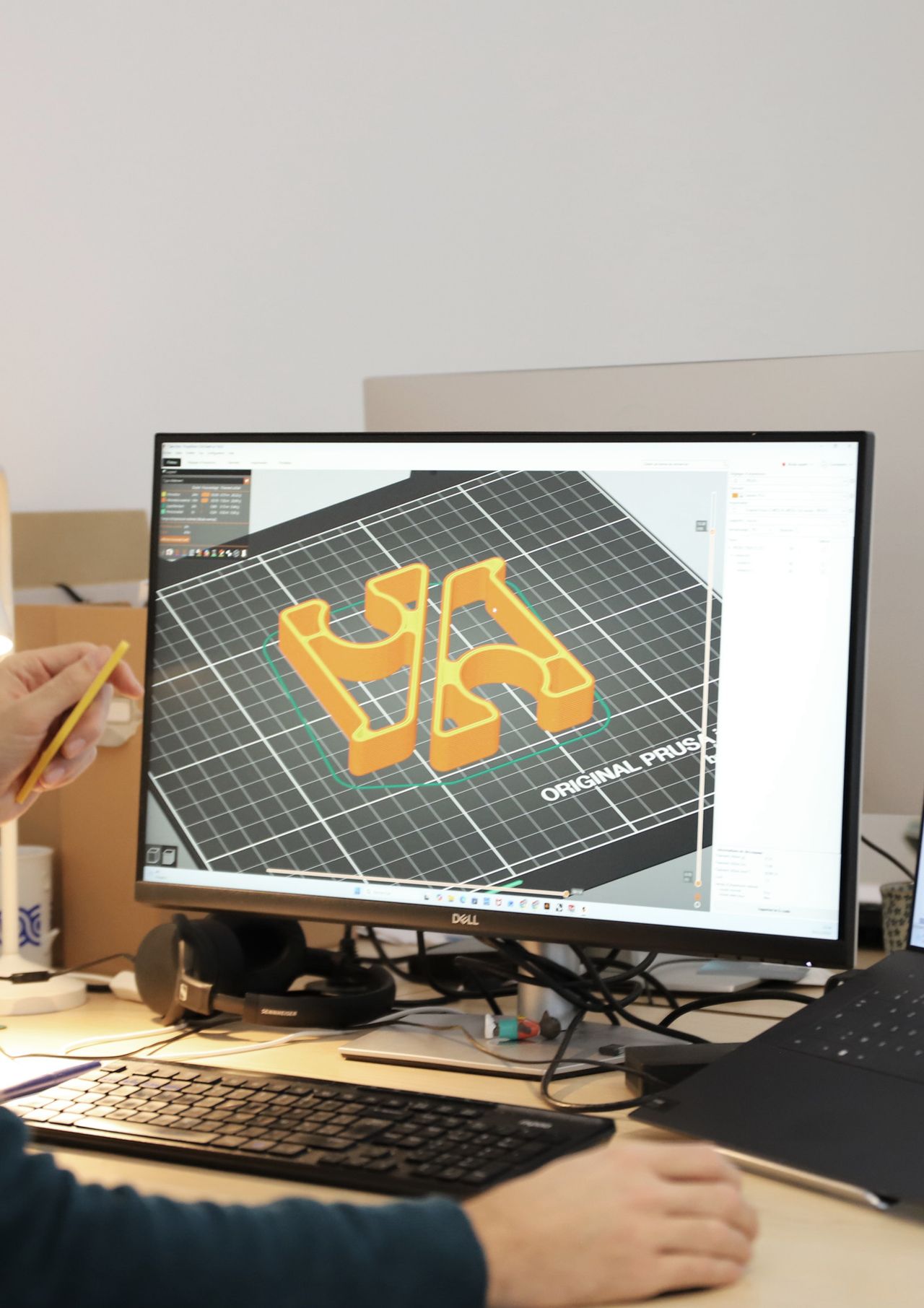
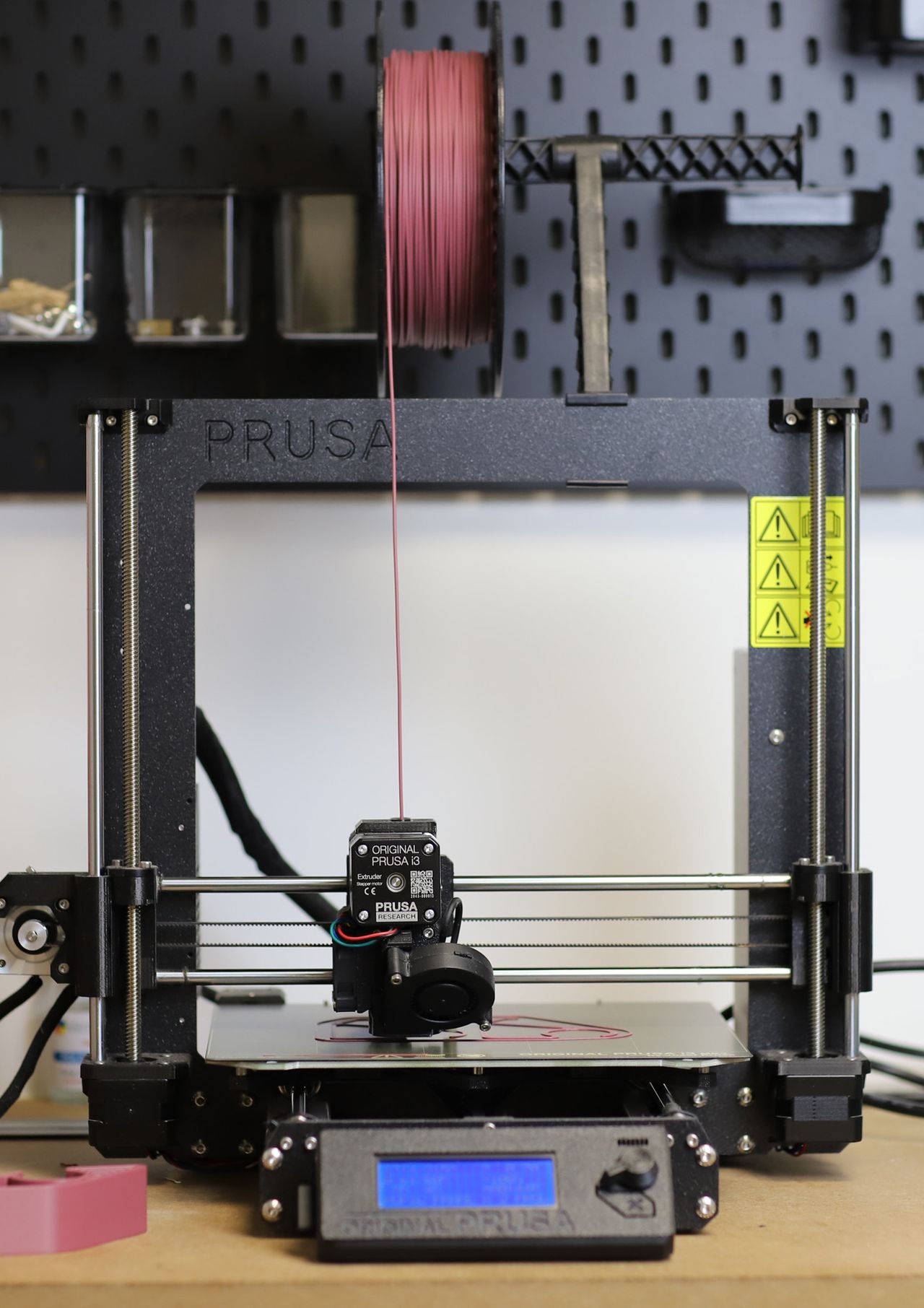
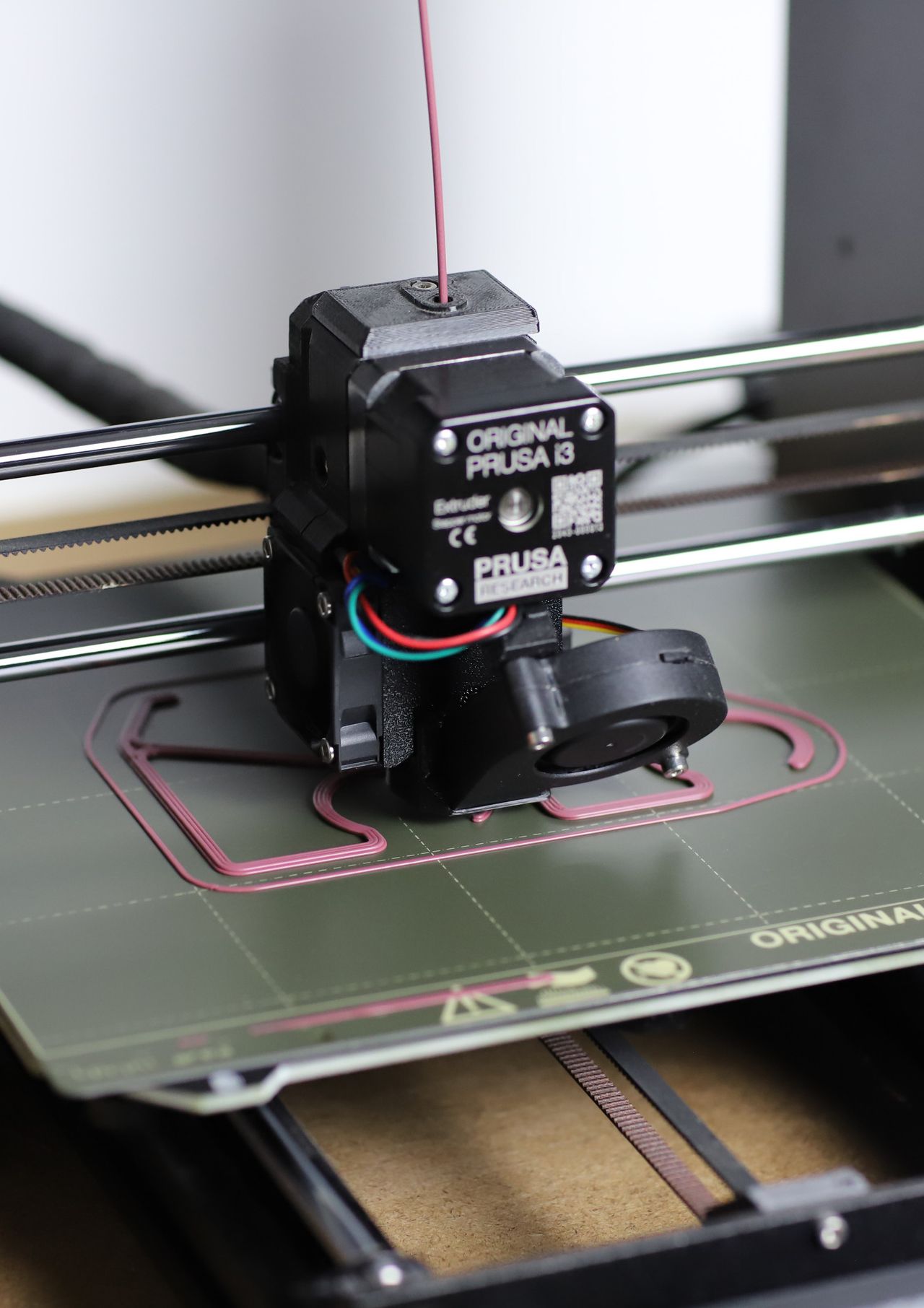
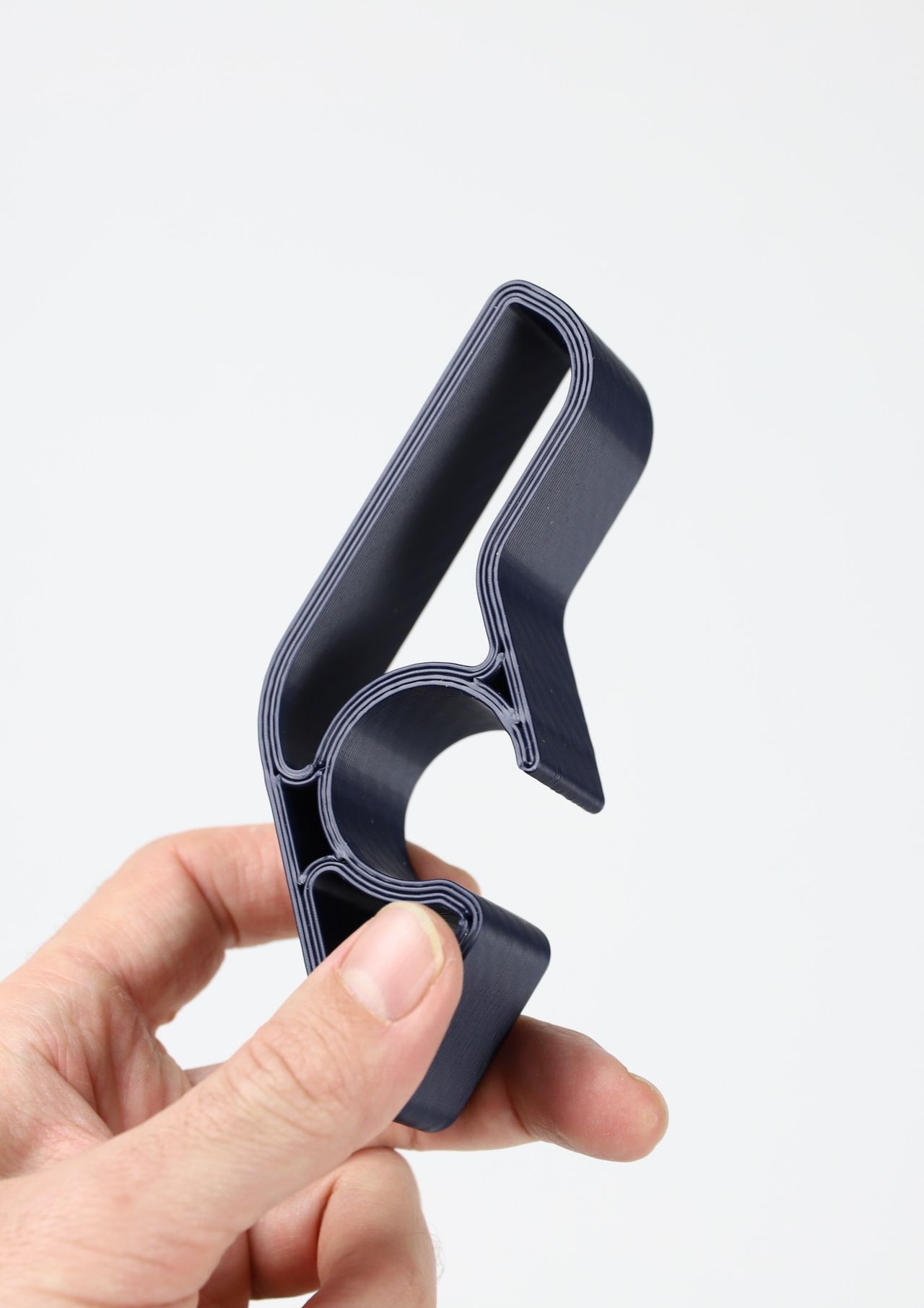
Additive manufacturing (or 3D printing) makes it possible to design and produce many variations of modules without costly industrial tooling. It supports small-batch—or even single-unit—production, where traditional processes often require a single standardized model.
In PROFIL, this approach makes it possible to respond to real needs without overproduction.
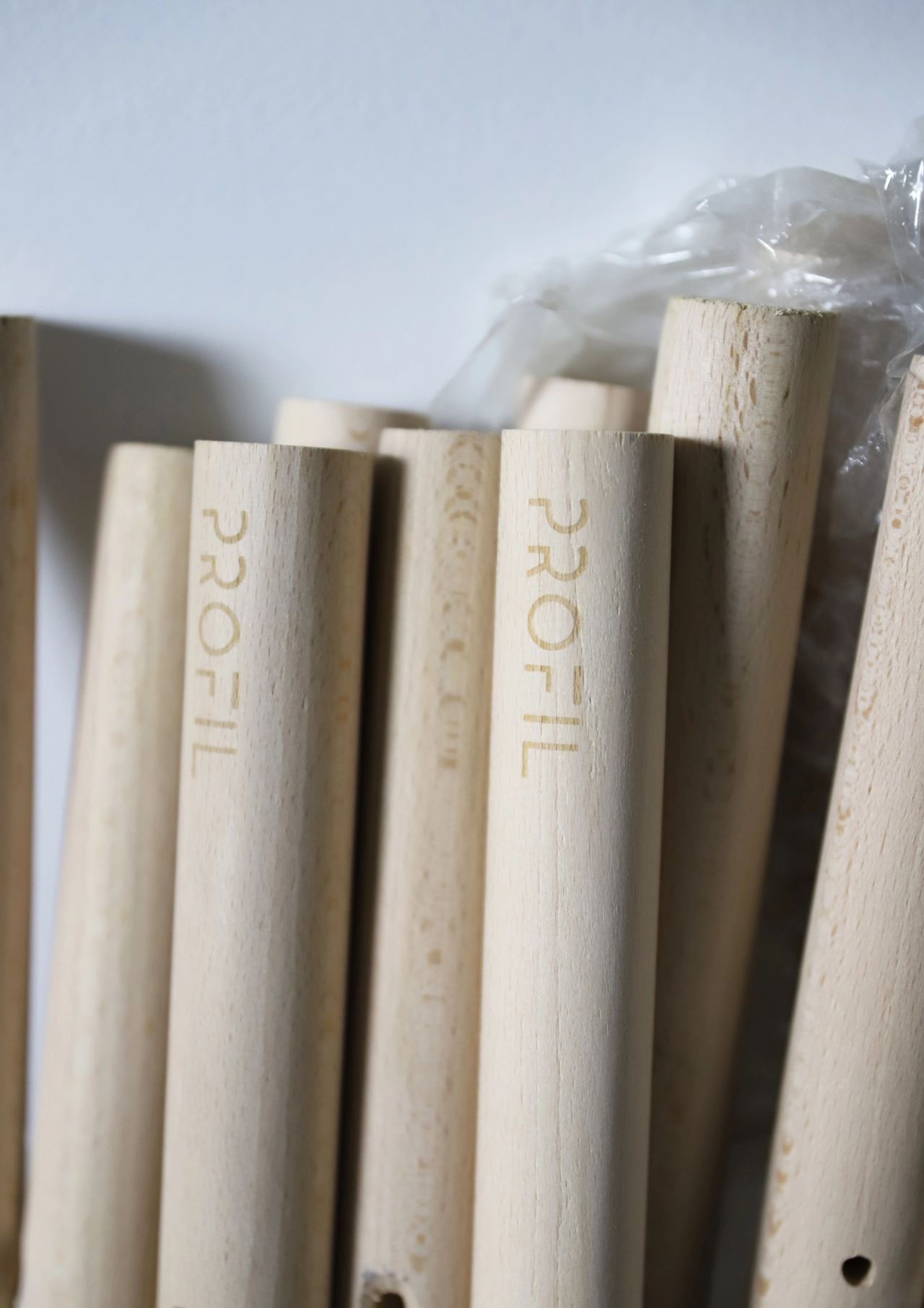
4.Refined simplicity
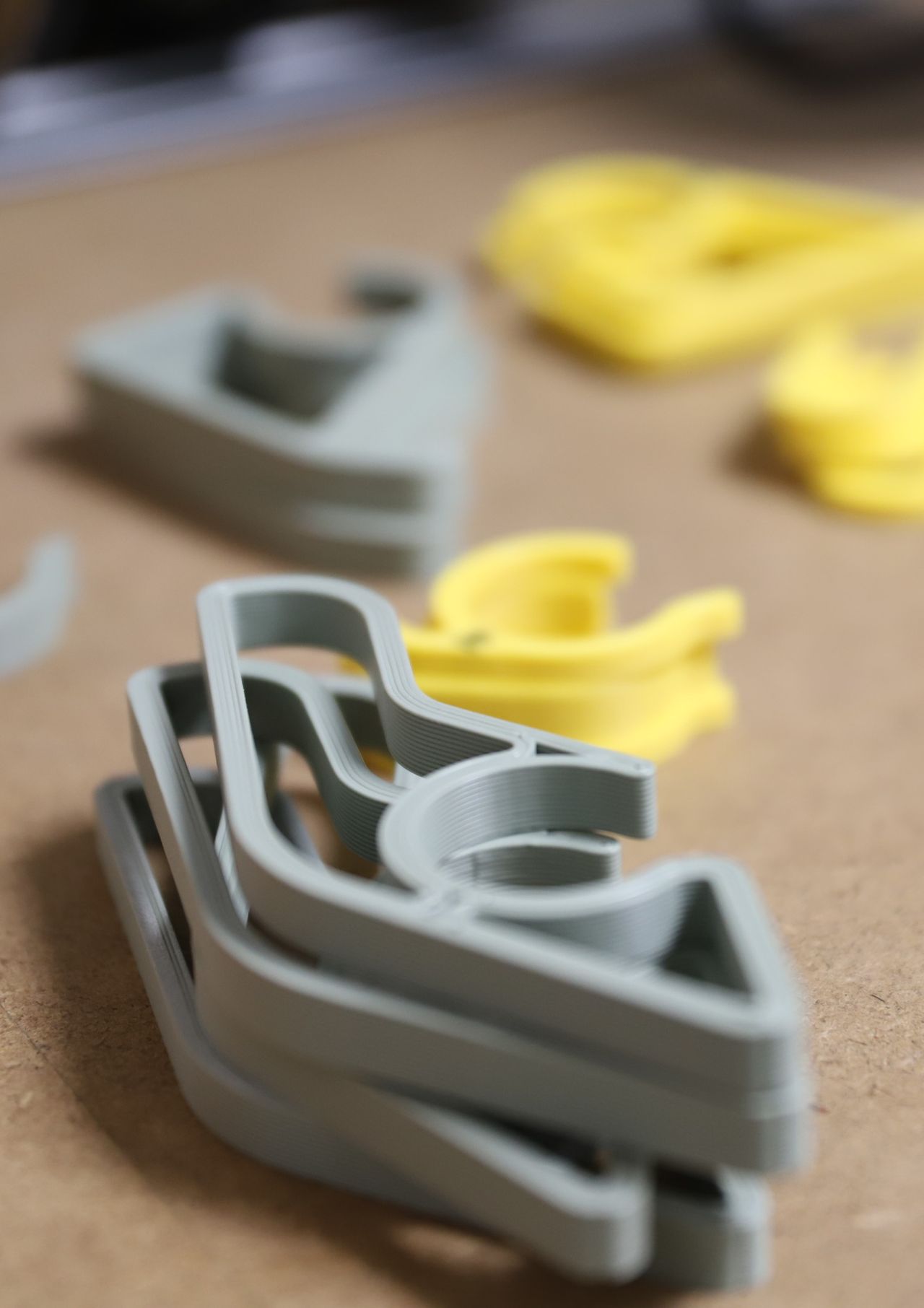
PROFIL pays close attention to detail: proportions, continuity, and transitions between accessories. The form is deliberately simple, yet carefully refined to feel right, pleasant to handle, and consistent across all variations. This refinement enhances the quality of use without seeking attention. The object remains discreet, but never neutral.
Result
Positive impact
PROFIL reduces the number of objects needed to organize everyday life through a single structure and complementary modules. The system eddresses multiple needs without multiplying products
Simplicity
The rail installs easily, and accessories can be positioned without tools. Modularity makes the system easy to understand, use and adapt.
Satisfactory
Modules adjust to real situations -entreways, kitchen, offices workshops. Users create the configuration that suits them, reinforcing appropriation and long-term use.
Circularity
Additive manufacturing makes it possible to produce modules in small batches, avoid overproduction, and extend the system's lifespan. Production is local: neither the machines nor the objects travel–only the files required to print the modules.