Experimenting: A Method That Sets the Trajectory of Complex Projects
The early stages of a project concentrate both the greatest uncertainties and the most structuring decisions. To avoid committing too quickly to a risky direction, it is essential to understand what is at stake in real-world usage. Experimentation provides this clarity: it offers a concrete reading of the experience, guides decisions at the right moment, and establishes a shared foundation of understanding across disciplines. At Entreautre, it is one of the approaches that gives projects a sustainable trajectory.
1. Exploring usage to clarify uncertainty
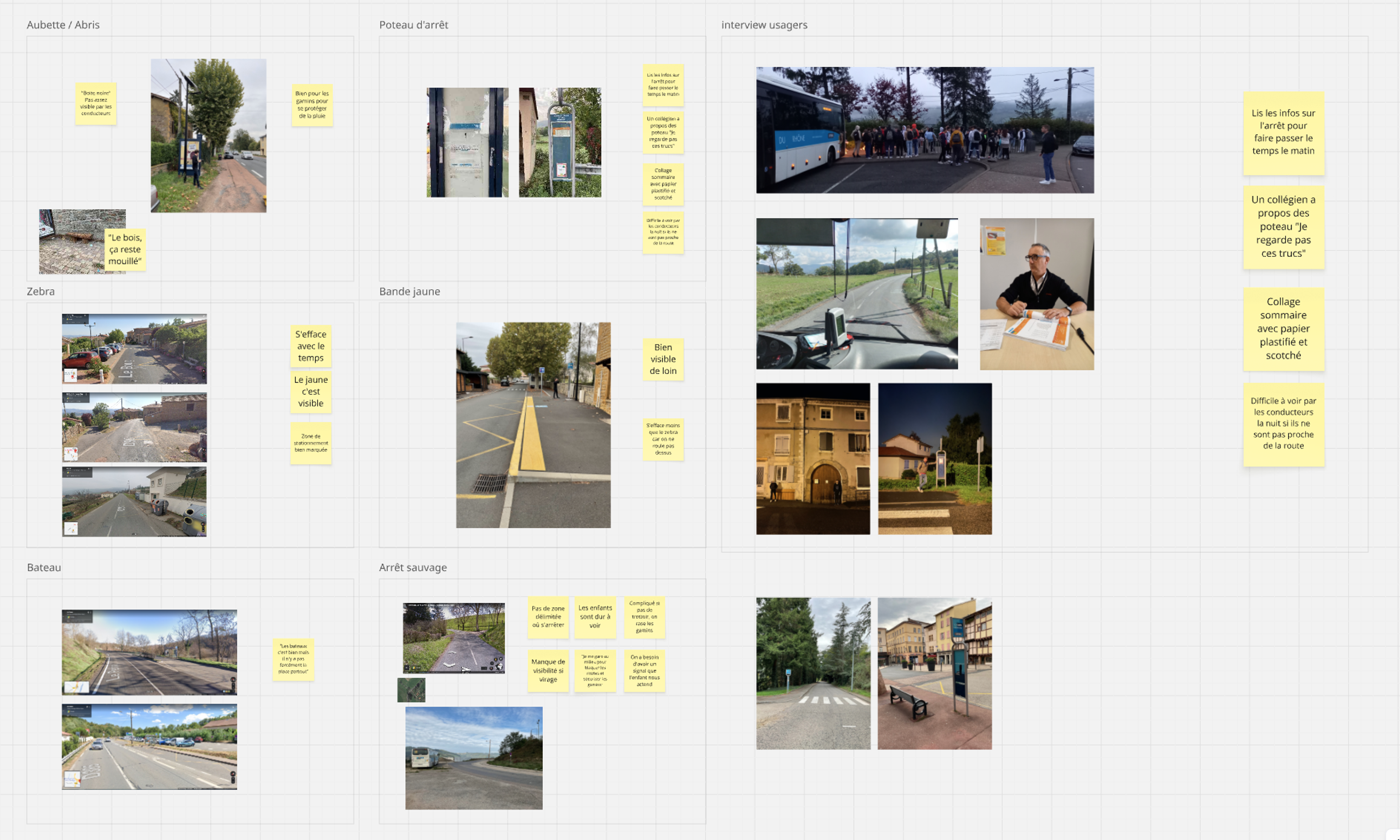
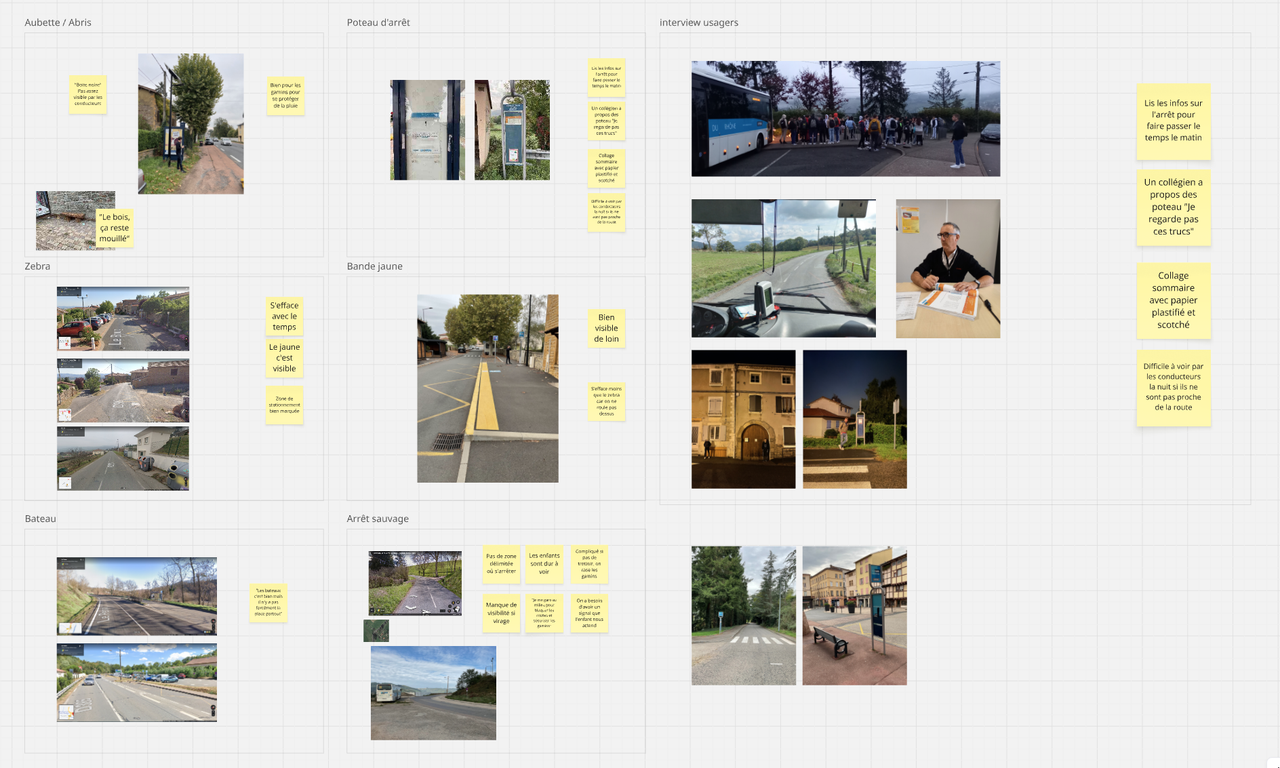
In innovation projects, decisive elements do not emerge on their own; they are constructed. As soon as initial usage situations are staged — even in a simplified way — they reveal factors that cannot be perceived through documents or diagrams alone.
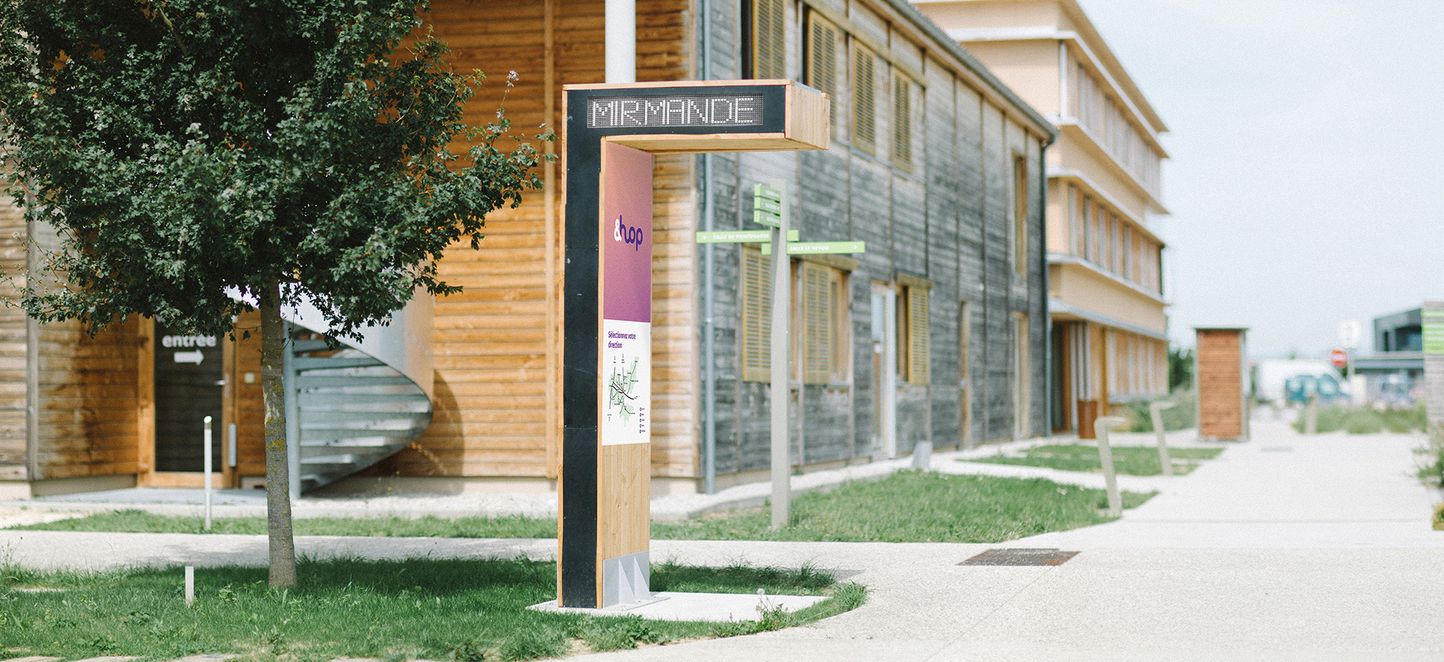
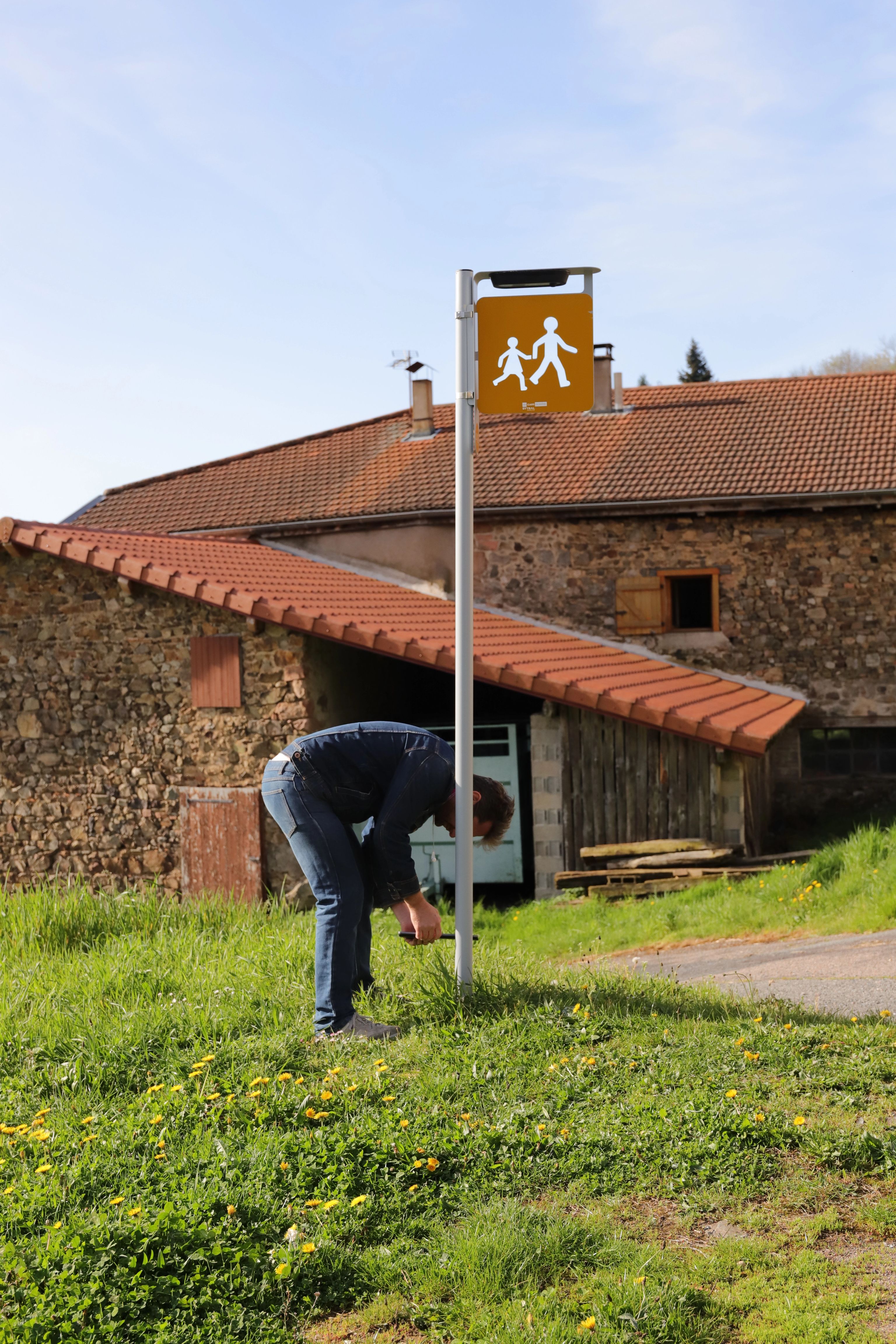
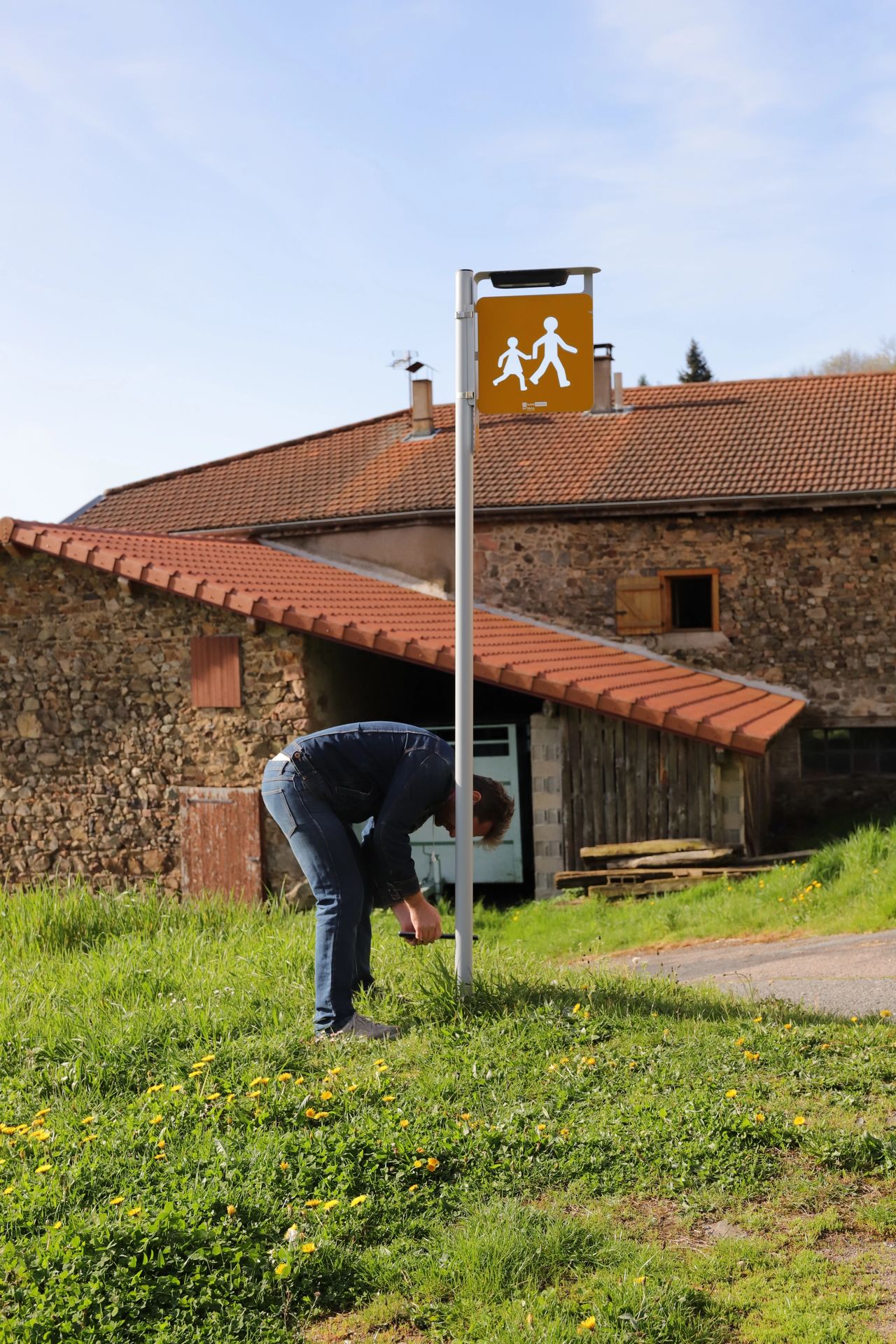
This exploratory work laid the foundations for the FLAG project, a school bus stop device for rural areas developed with SYTRAL and Transdev. Field observations highlighted the real issues surrounding waiting conditions: low nighttime visibility, roadside safety risks, diversity of stopping points, and shifting line schedules. These findings quickly oriented the reflection toward a mobile, highly visible, low-impact, and reusable device.
This exploration also clarified how the device would be handled and deployed on a daily basis, revealing the operational constraints it needed to meet. It showed, for example, the need for a light anchoring system (a ground screw) rather than a concrete base, as well as the importance of a luminous signature visible in all conditions.
Understanding these situations before designing makes it possible to identify what truly structures the experience and to engage the project on solid ground from the outset.
2. Aligning disciplines around a shared strategic vision
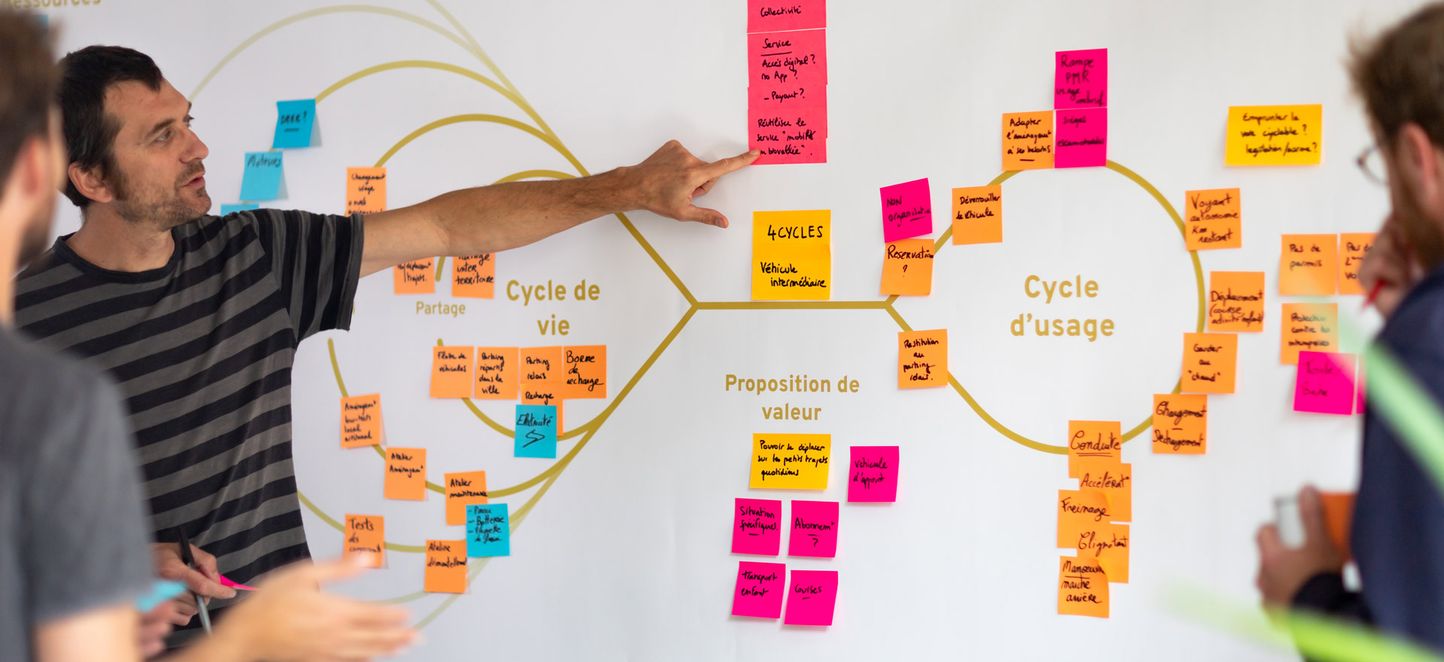
Projects bring together disciplines that do not share the same priorities or reference points. Experimentation creates a common space where everyone observes the same situation and interprets the same usage.
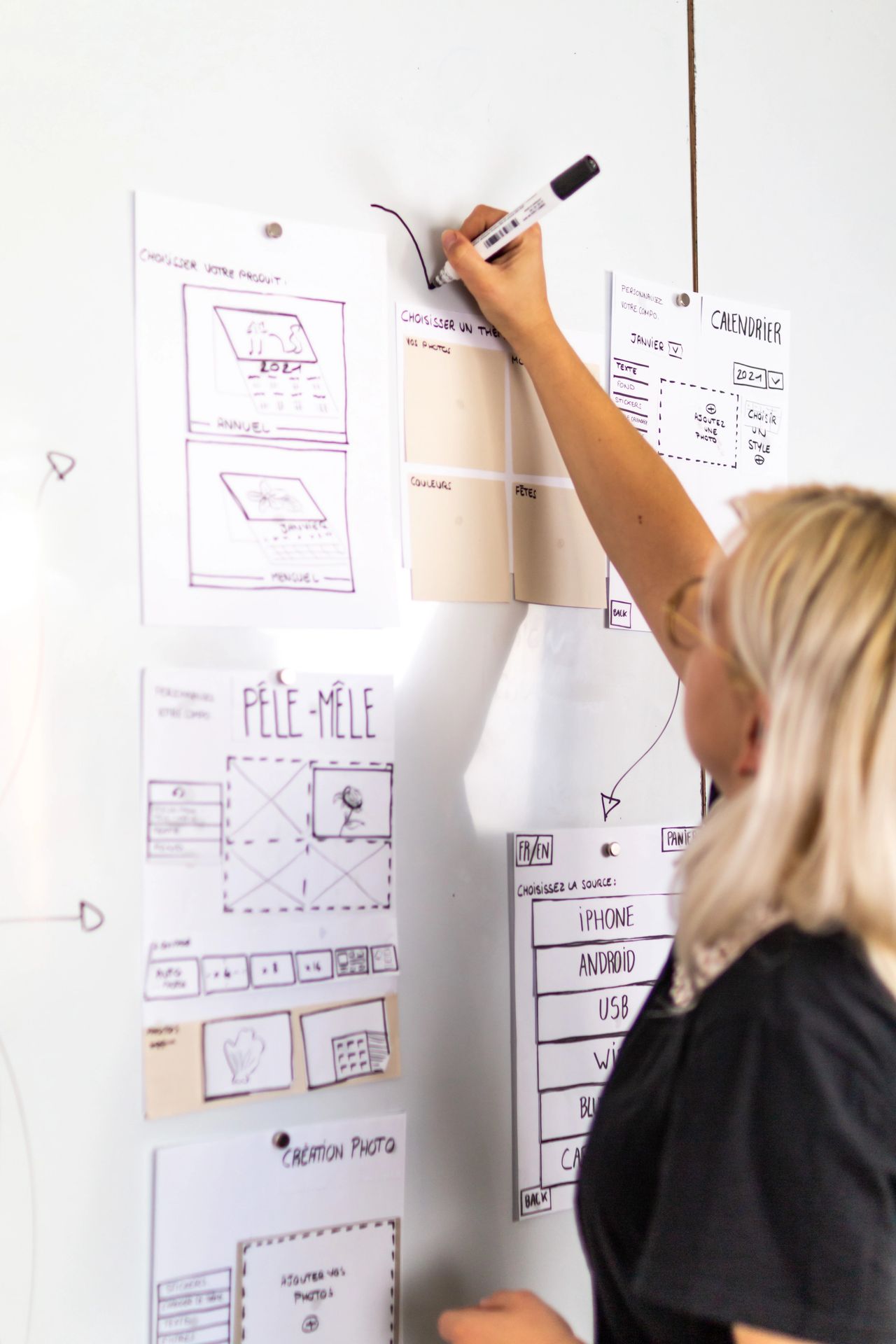
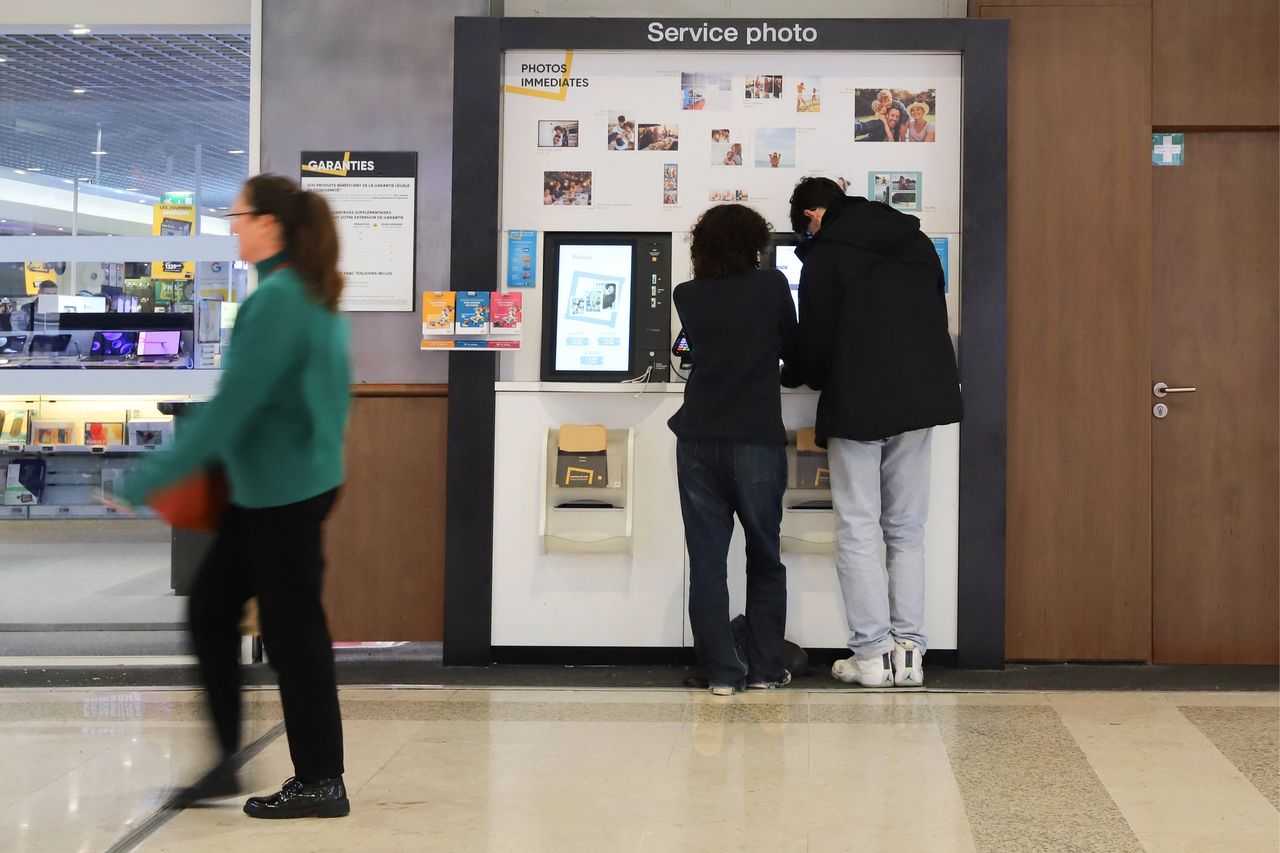
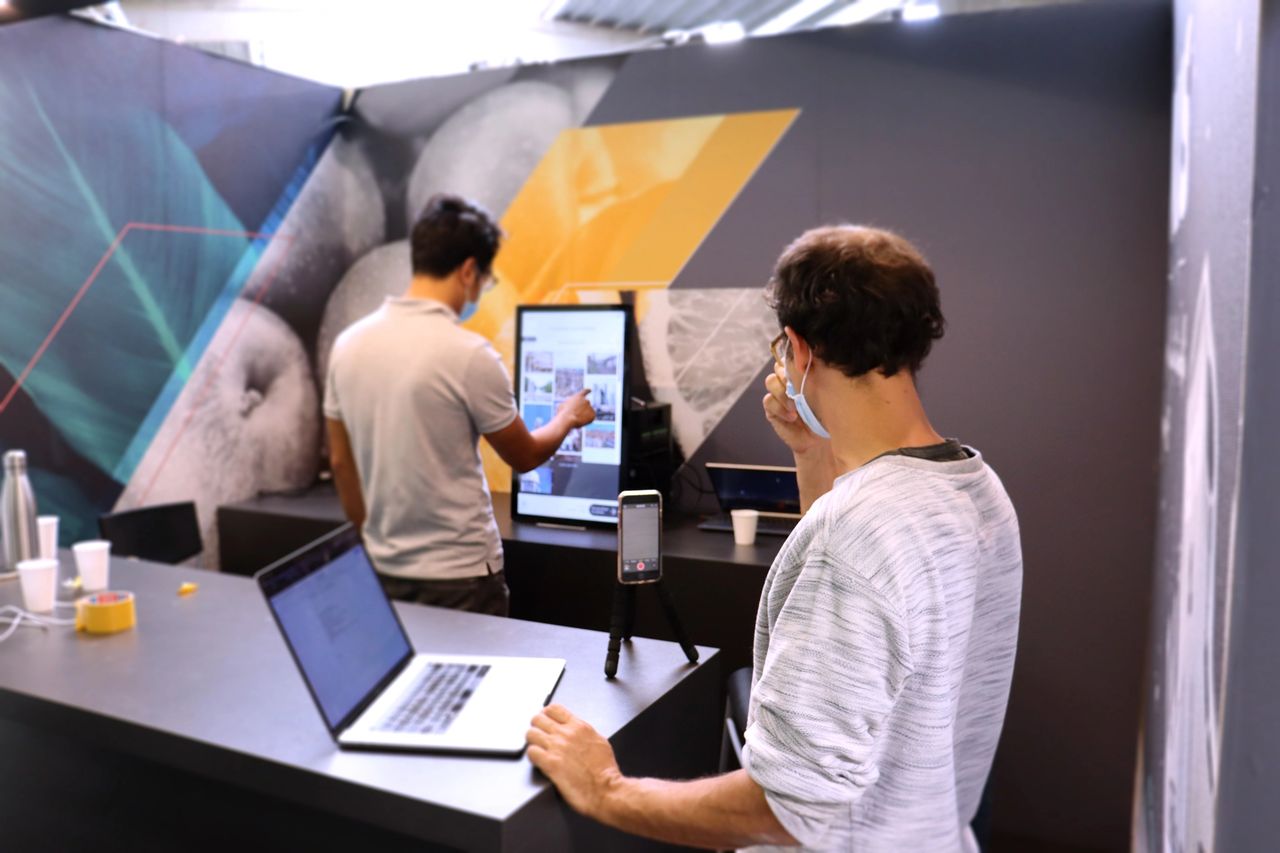
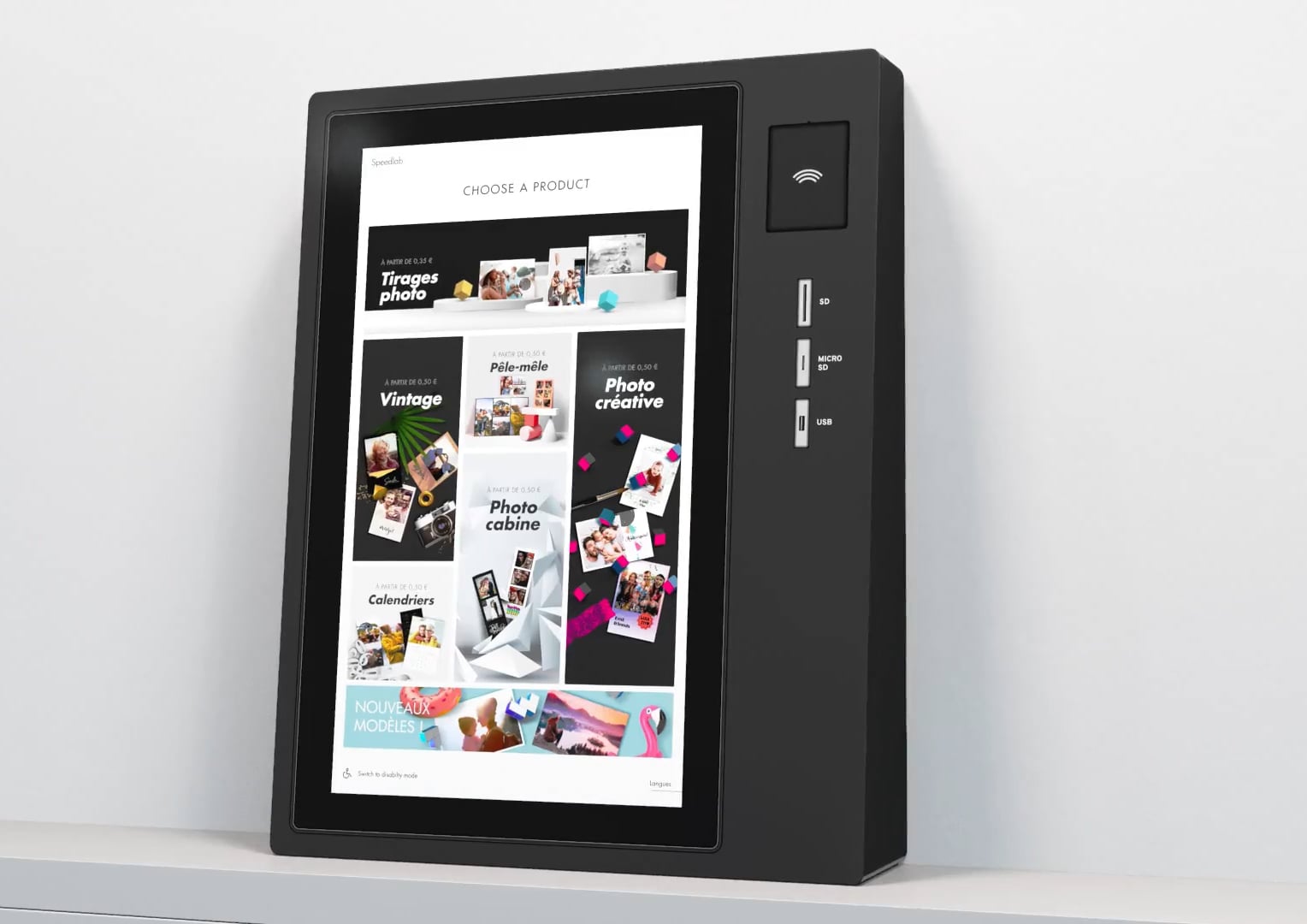
In the work carried out with Kis/Photomaton, interactive mock-ups served as direct supports for dialogue between designers, technical teams, marketing managers, and domain experts. They helped move beyond divergent representations by refocusing the team on a concrete and shared usage reference.
Involving all disciplines from the experimentation phase also allows solutions to pass through technical, marketing, and even intellectual property filters. This anchors decisions in the company’s reality and directly contributes to structuring its product strategy.
3. Bringing technical, usage, and market paths into coherence
The different dimensions of a project do not always progress at the same pace. Experimentation then acts as an anchor point to connect dimensions that initially evolve separately: technical constraints, market expectations, usage practices, and production requirements.
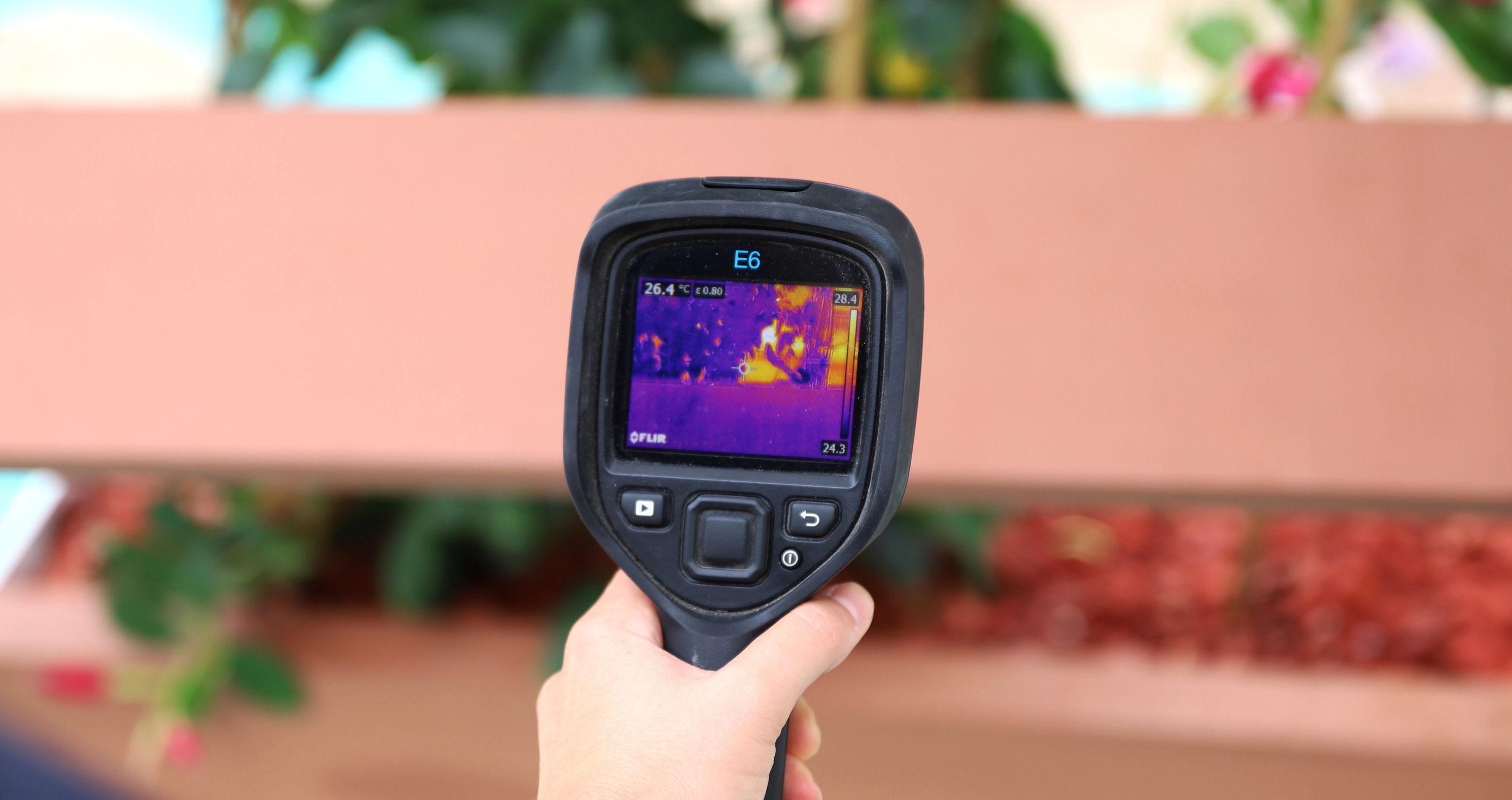
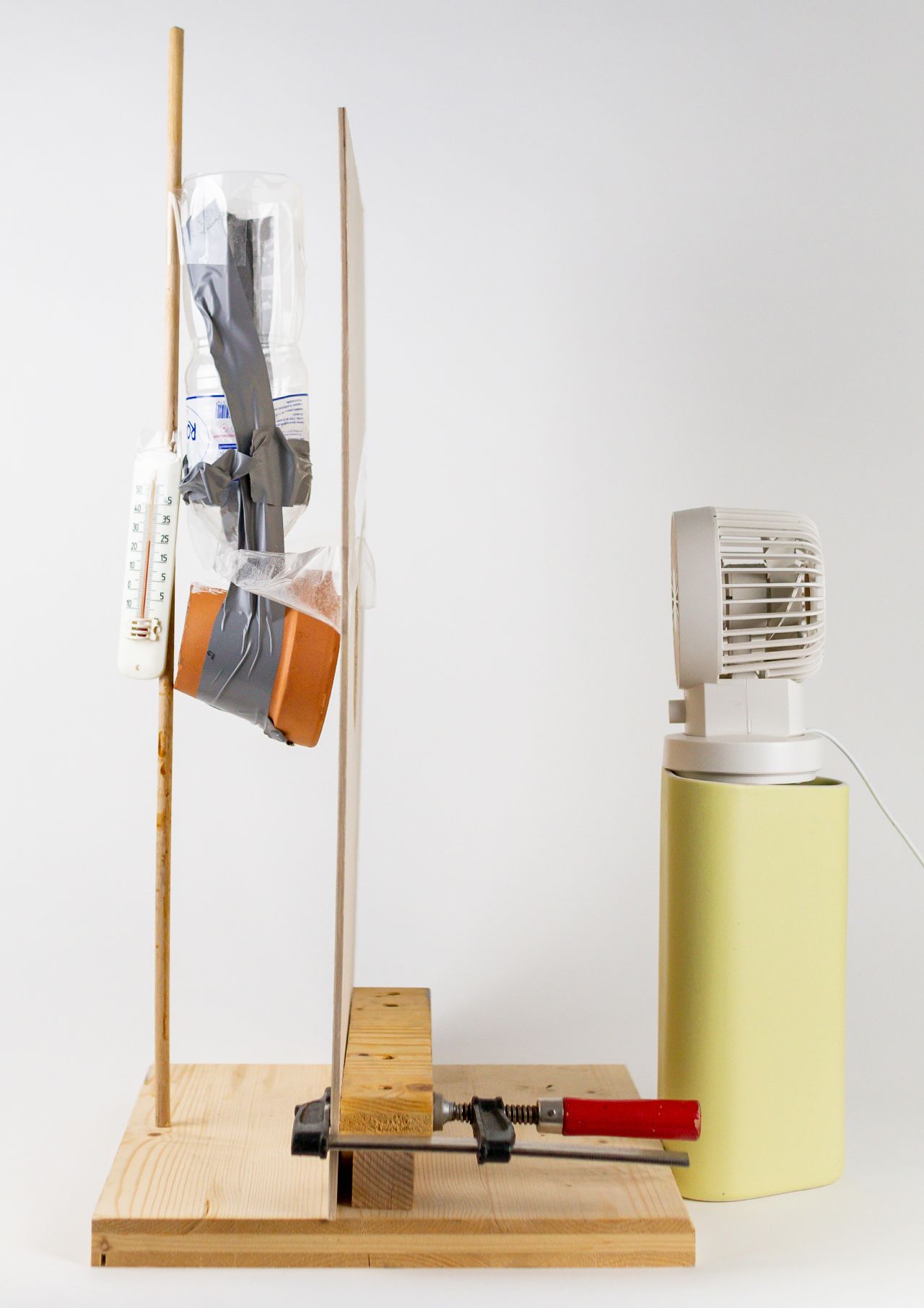
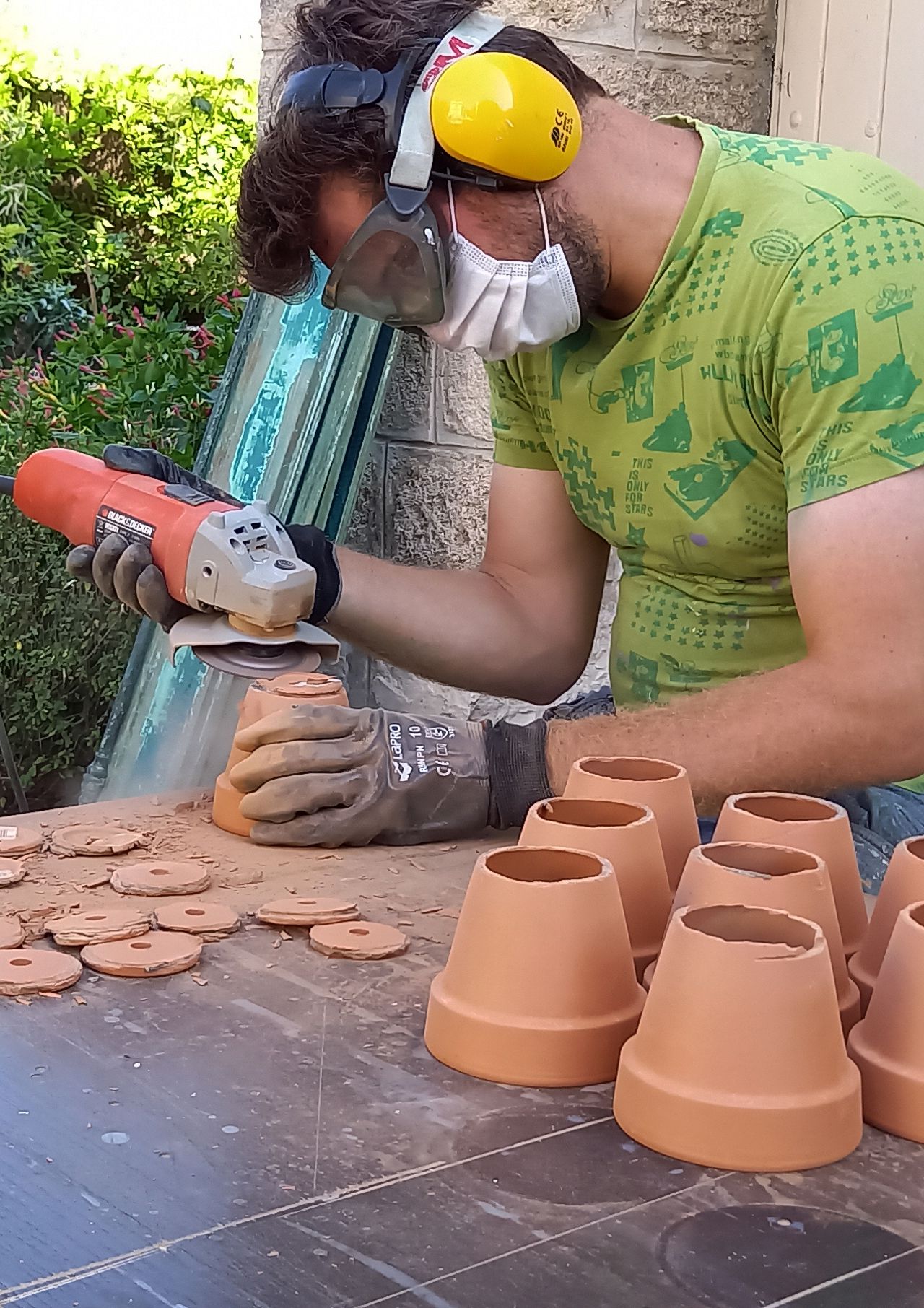
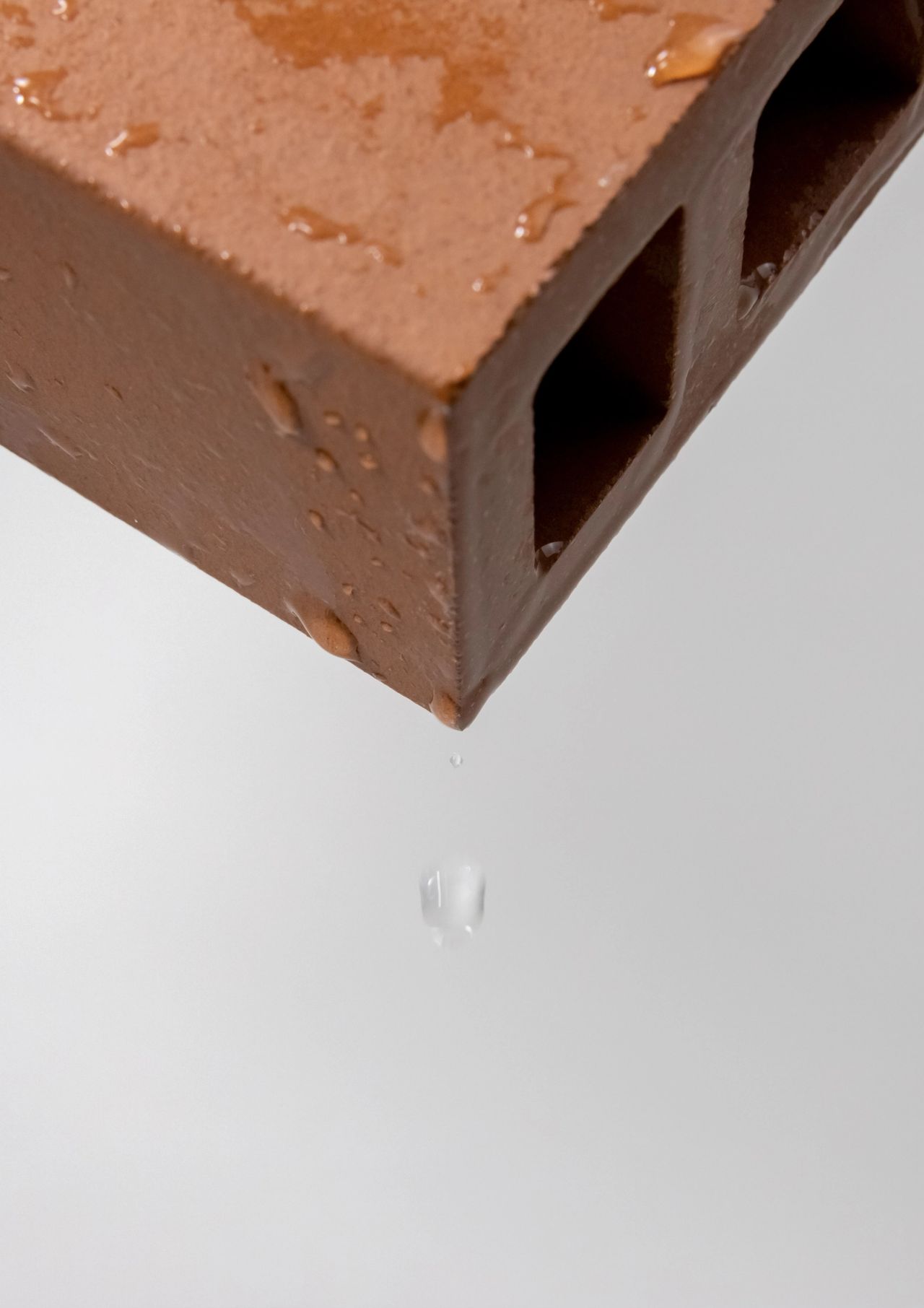
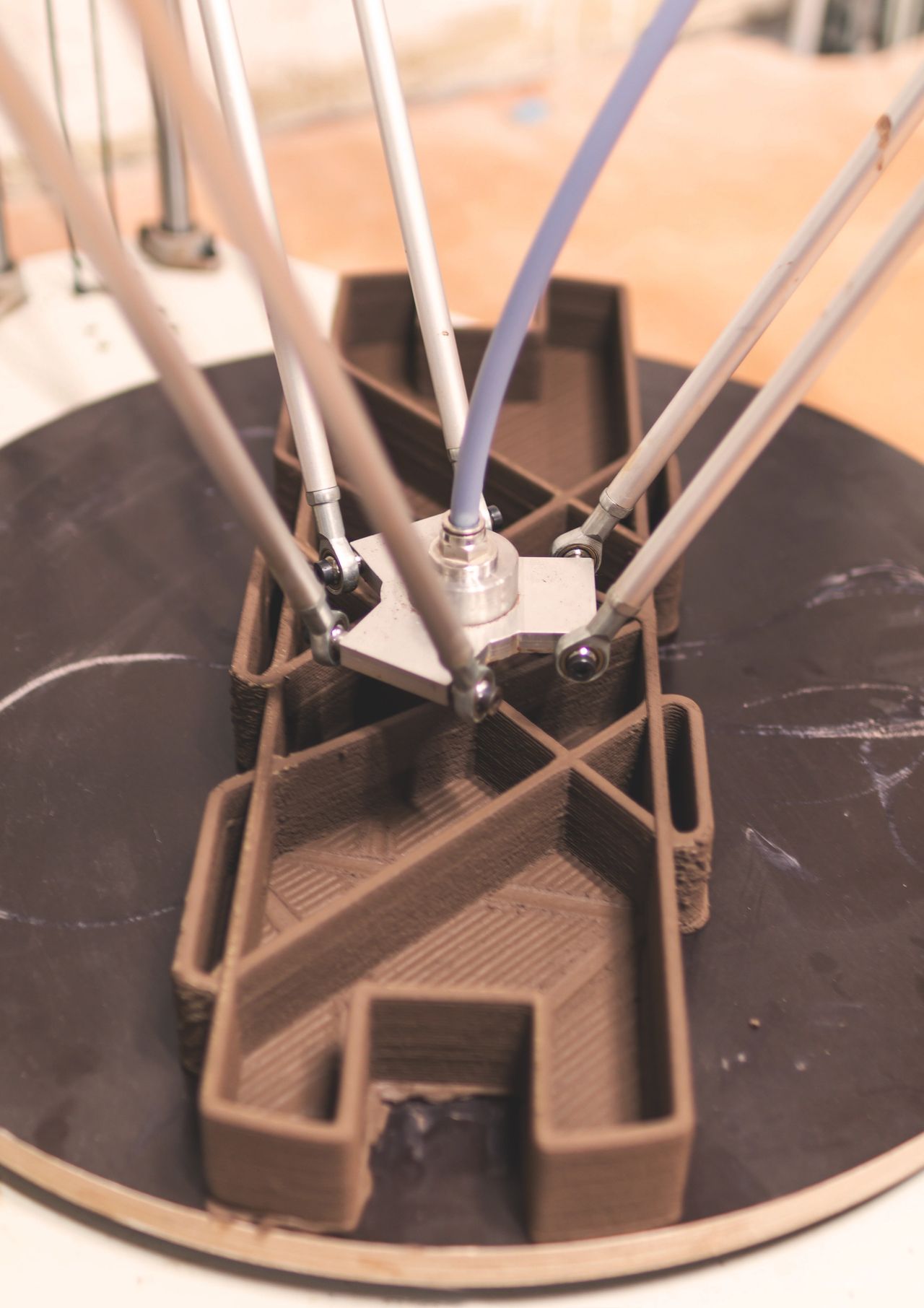
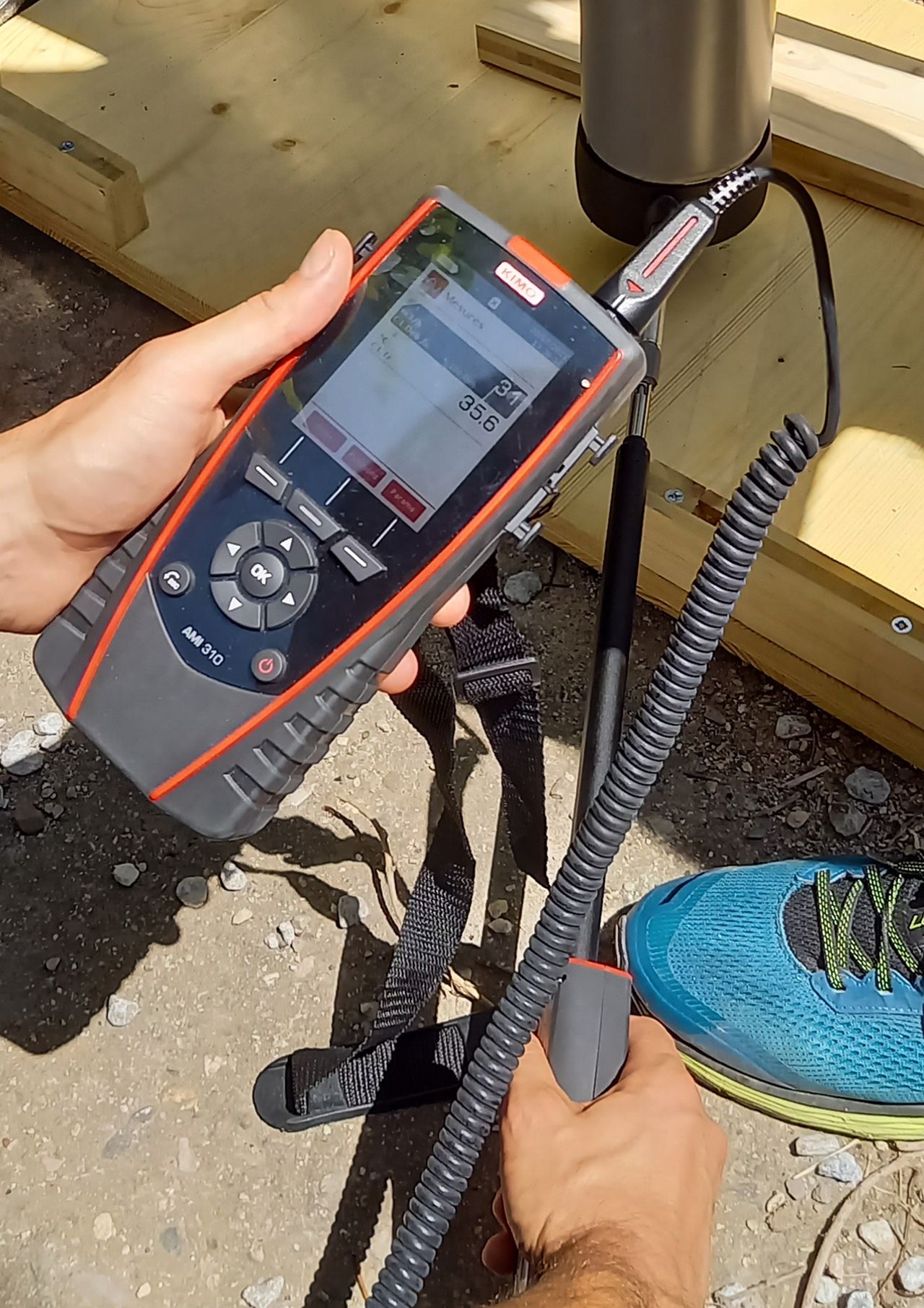
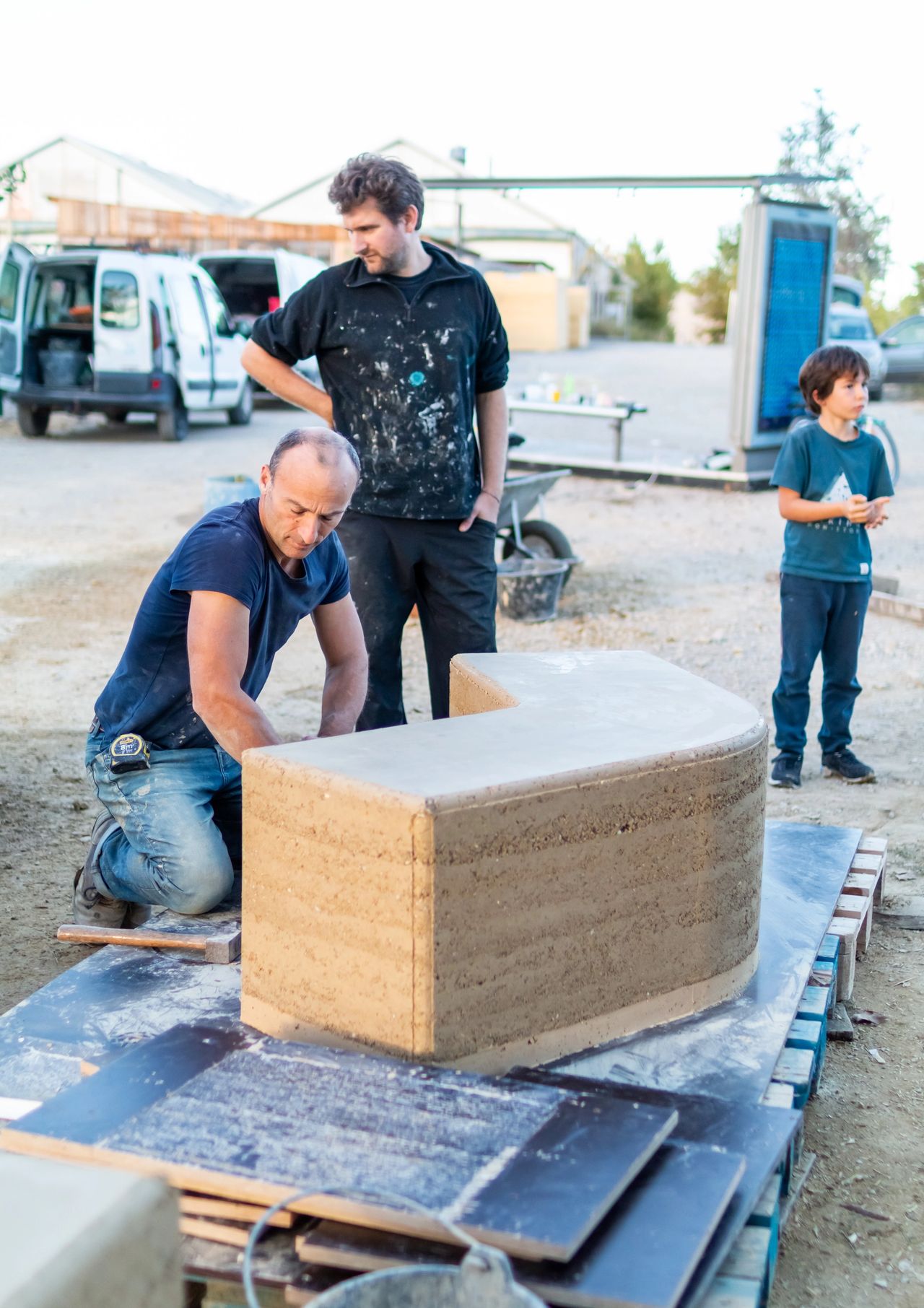
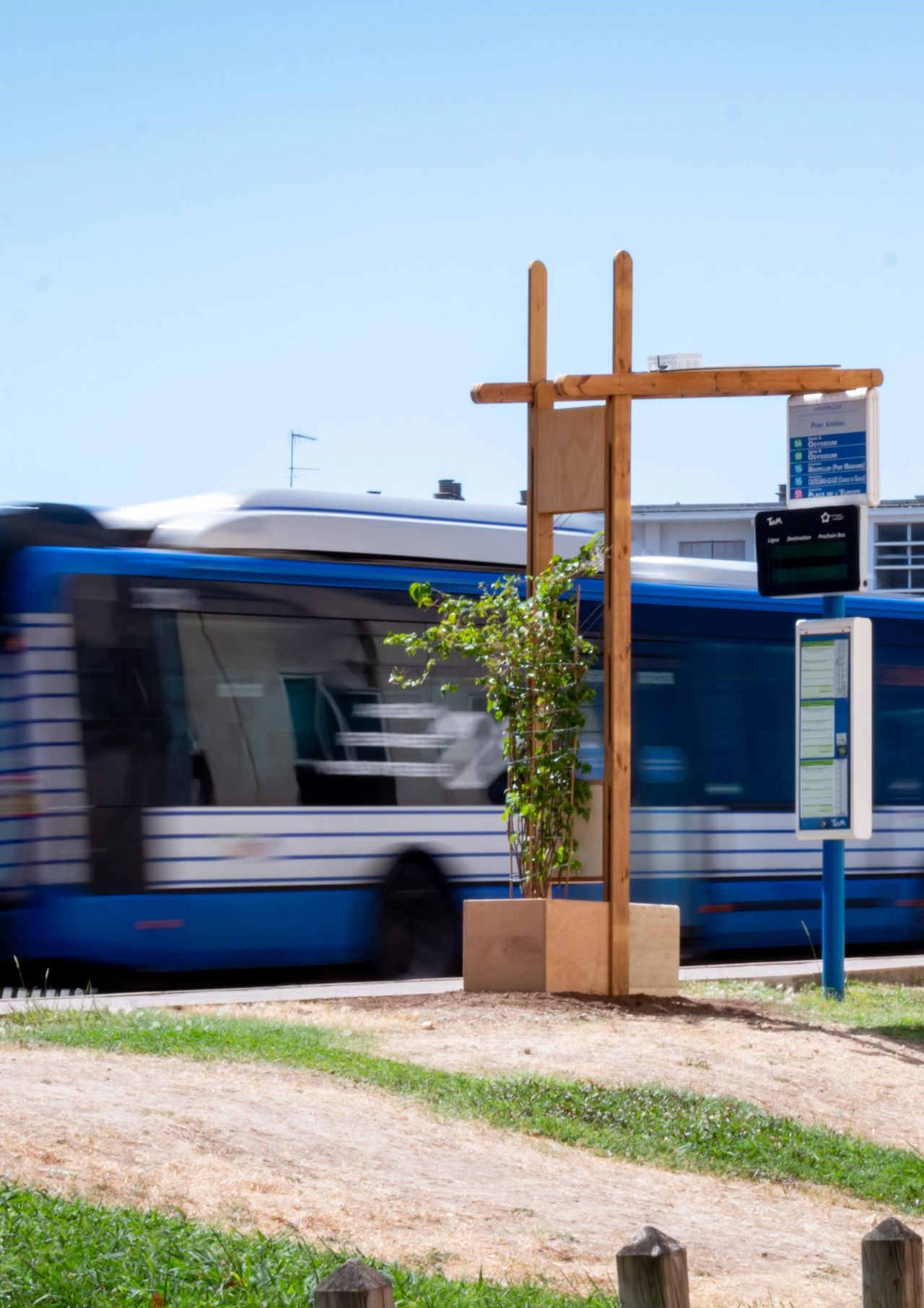
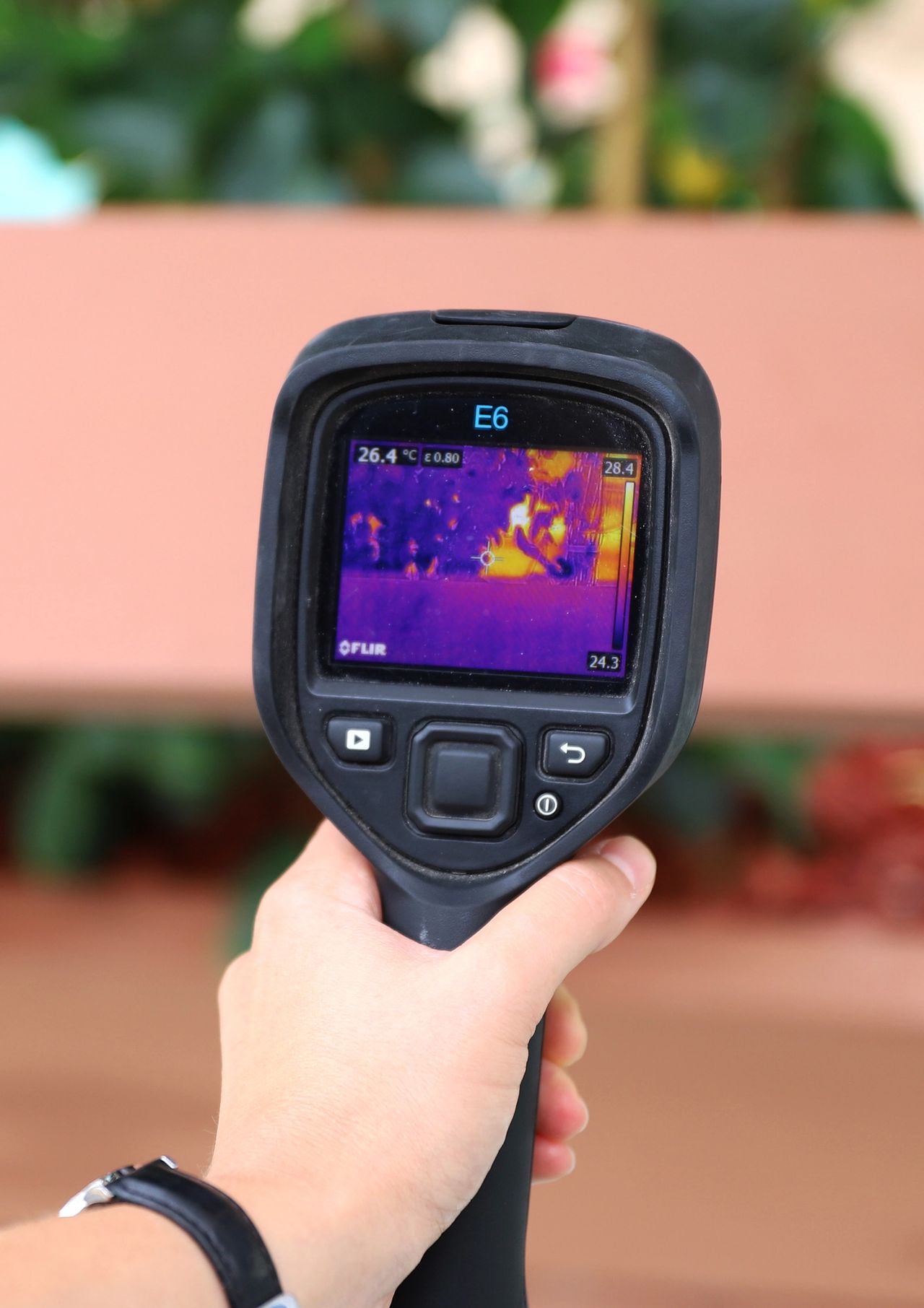
The TERRA project, conducted with Montpellier Métropole and Transdev, is a strong illustration. Successive tests evaluated various technical solutions — vegetation, porous ceramic modules, raw earth, wooden structures — alongside observation of real-world usage during periods of intense heat. These experiments made visible the interactions between thermal comfort, seating ergonomics, industrial feasibility, material durability, and maintenance needs.
As testing progressed, each dimension of the project found its place: technical choices were adjusted to user practices, low-tech materials were validated or ruled out in real conditions, and selected solutions were structured into a coherent system, reproducible at network scale.
This progressive convergence is essential. It ensures the project’s overall coherence and determines its ability to move from an experimental prototype to an operational solution.
4. Gradually consolidating the project’s trajectory
As experiments follow one another, the project gains precision. Areas of uncertainty shrink, priorities become clearer, and the overall structure stabilizes.
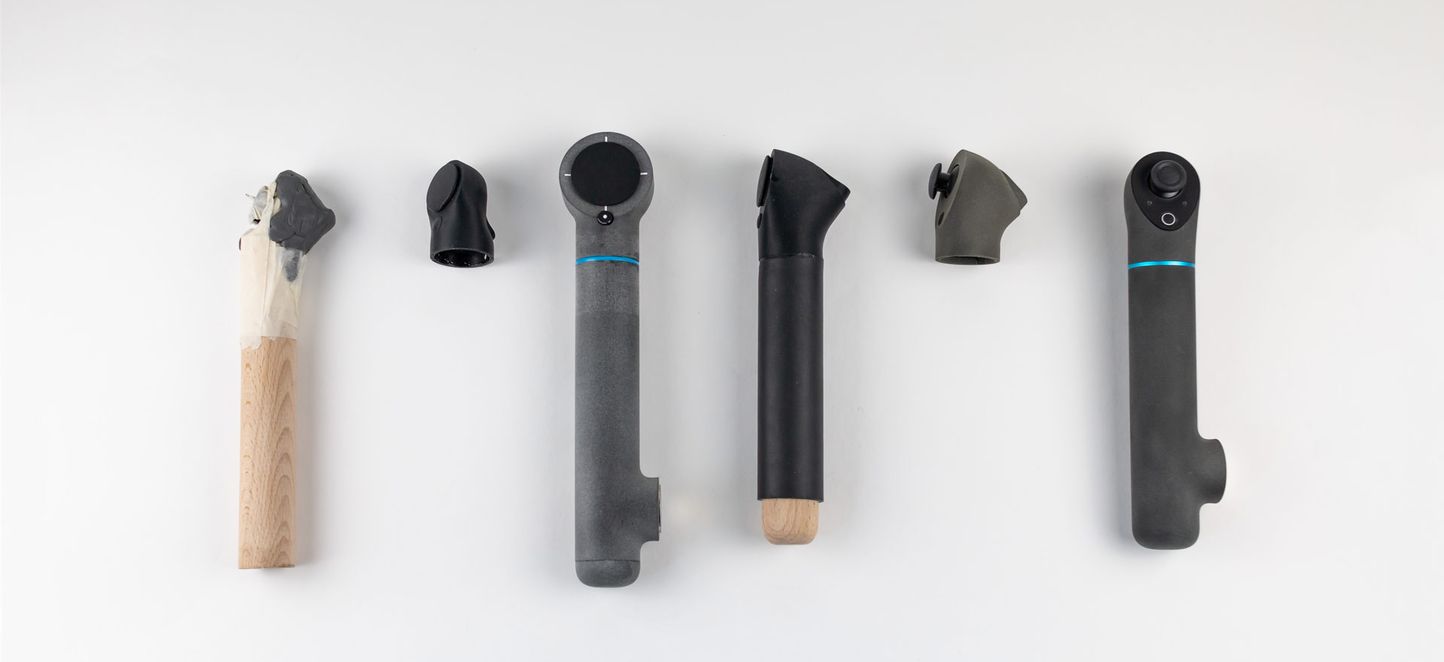
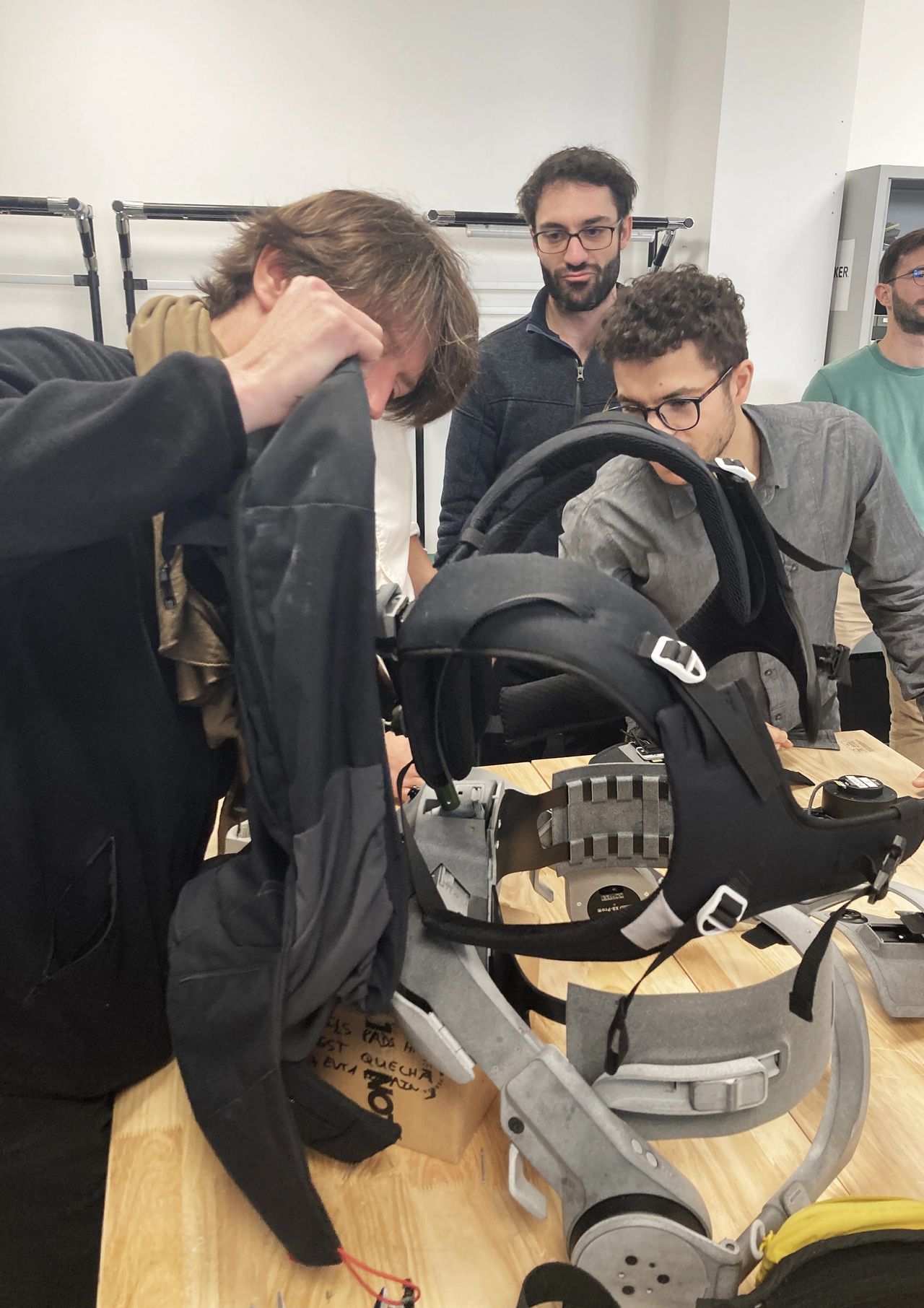
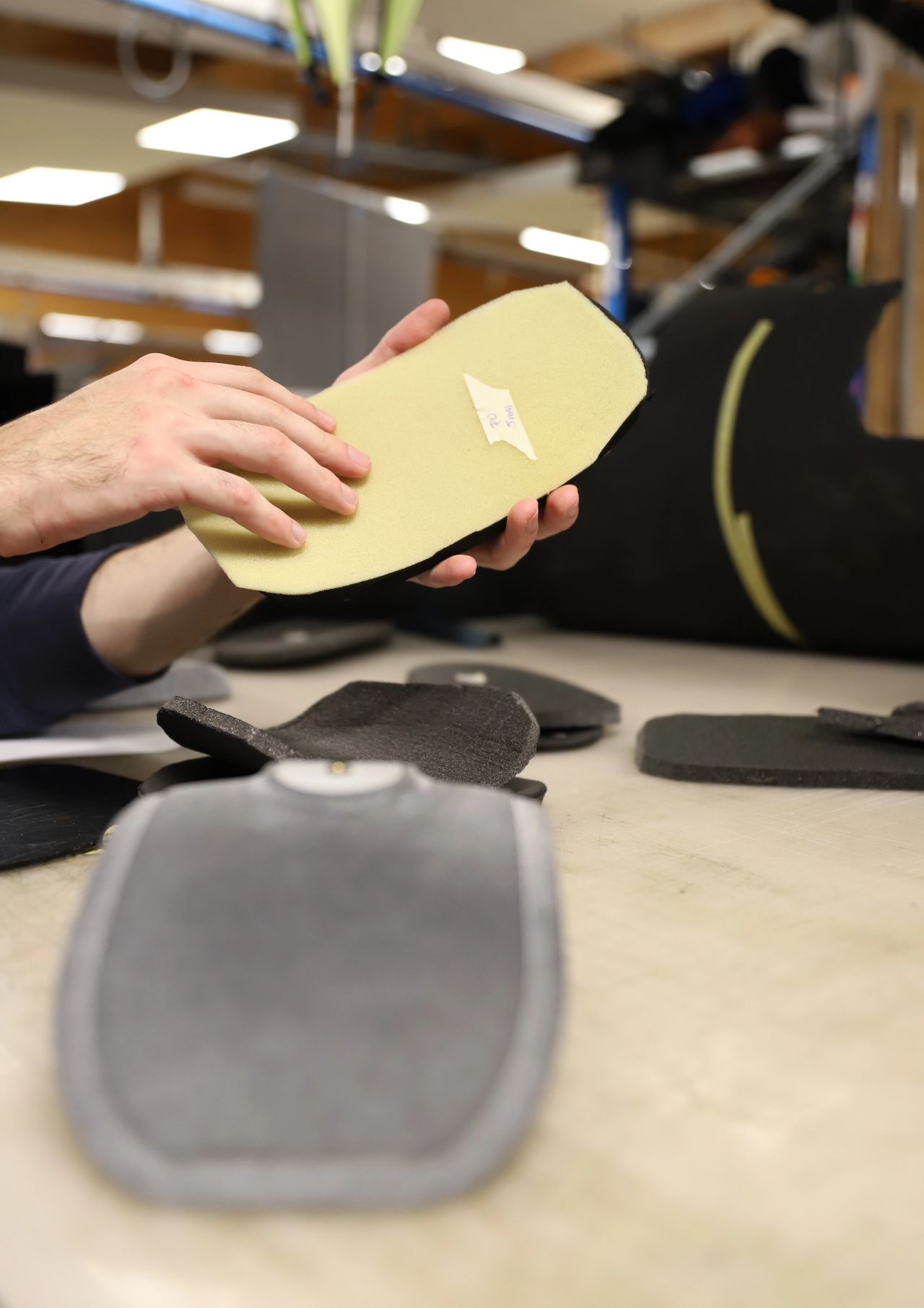
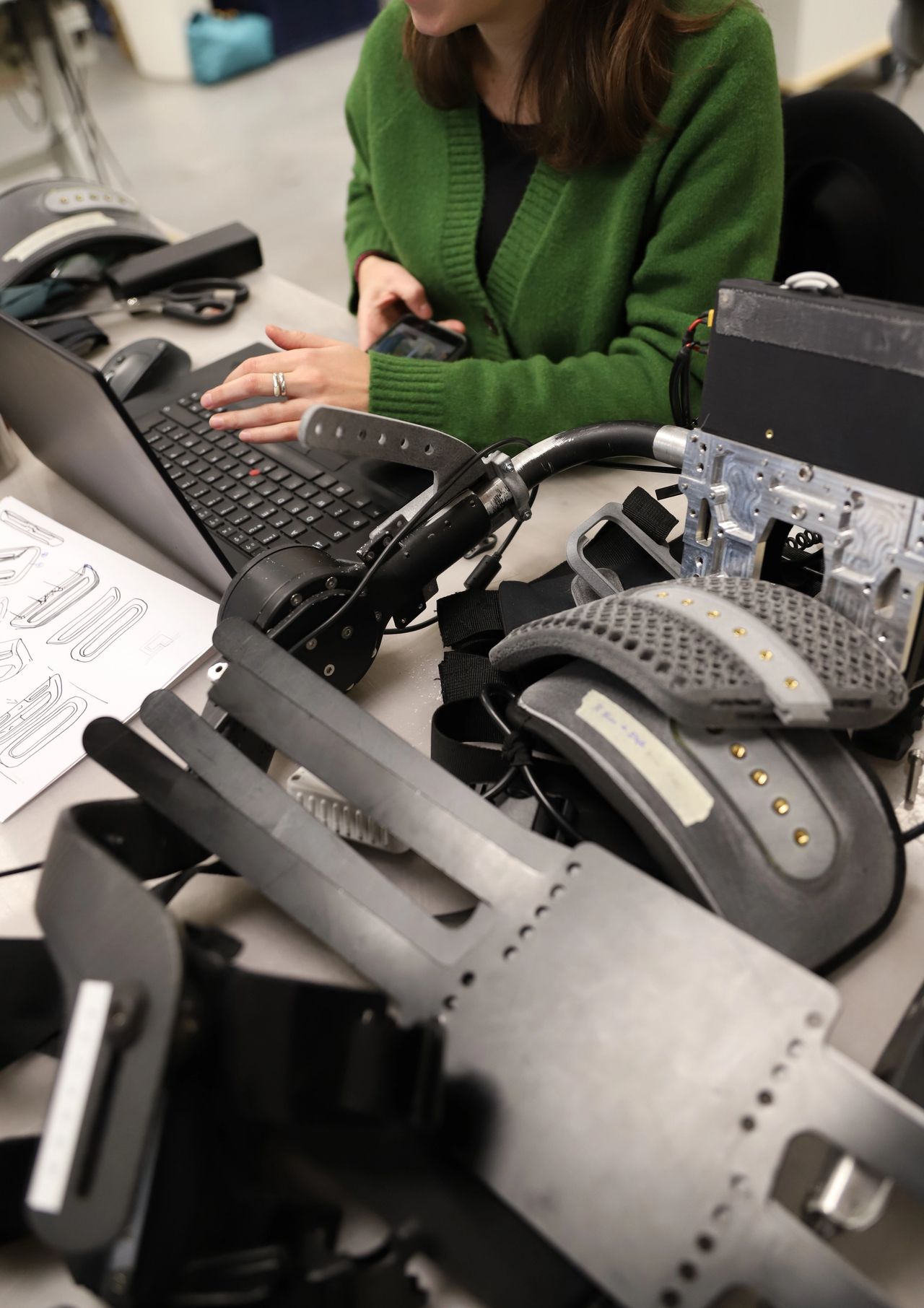
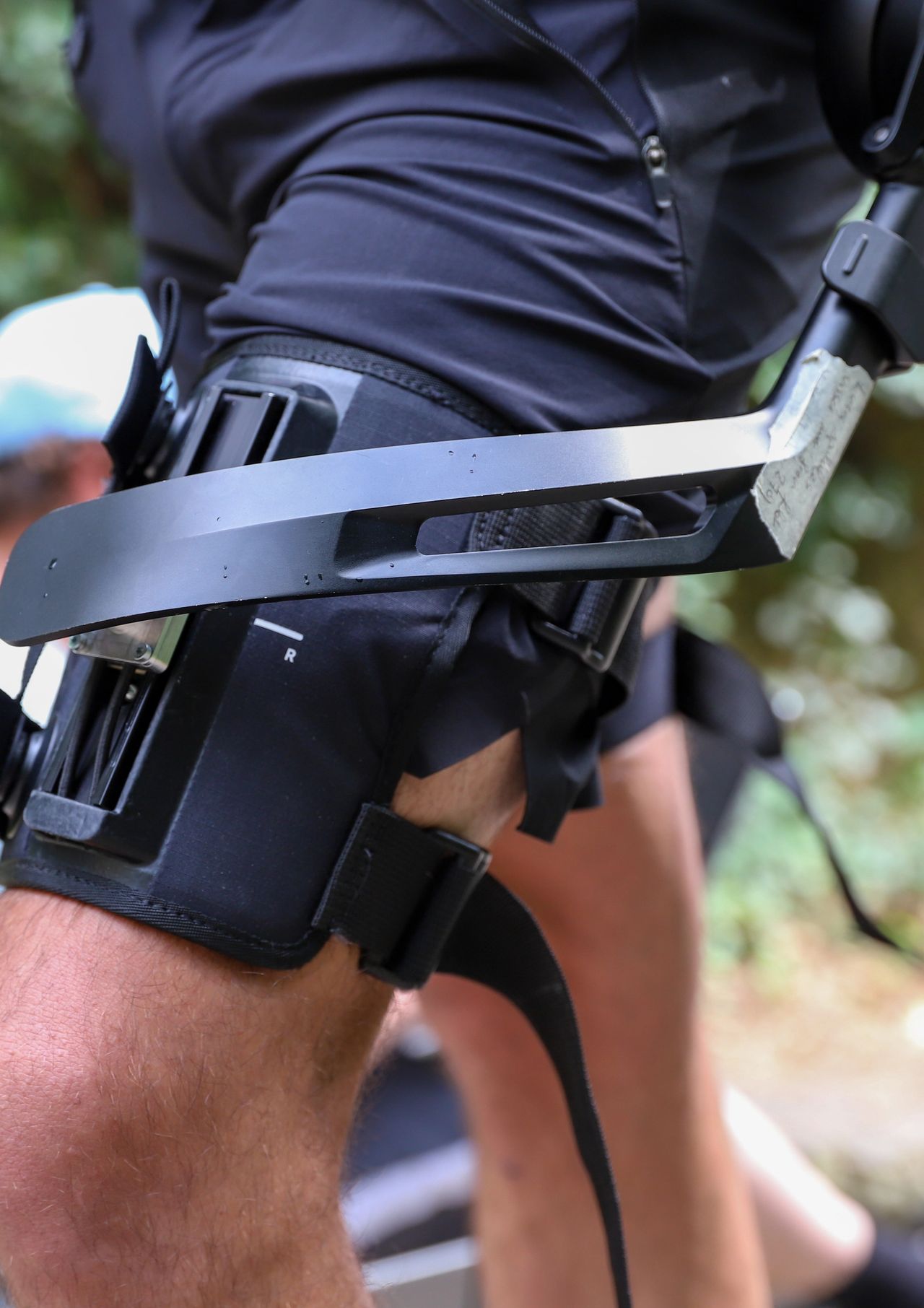
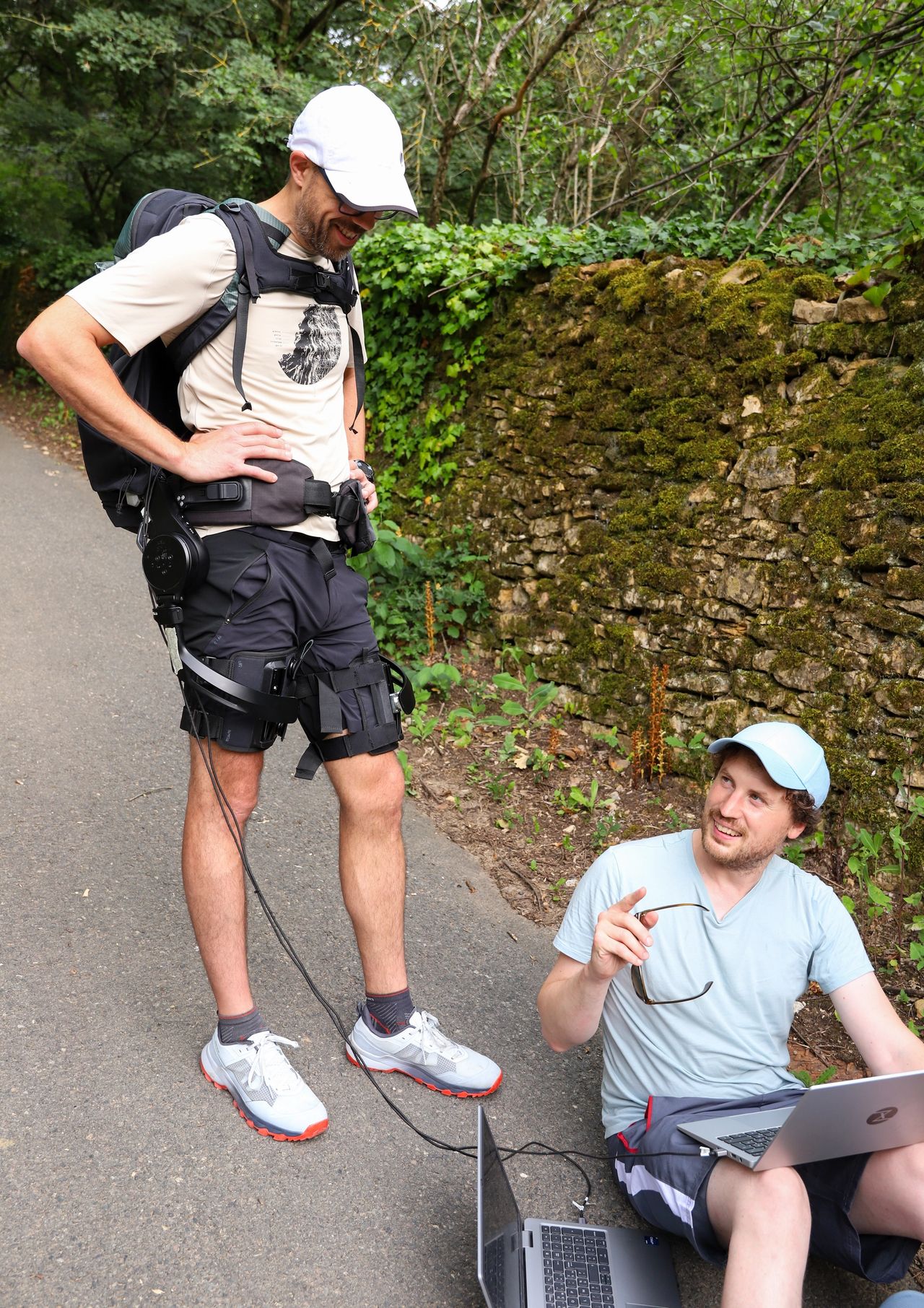
The development of E-HIKE illustrates this dynamic well. A series of rapid prototypes, usage scenarios, and field tests were conducted to observe how the exoskeleton interacts with walking. These trials evaluated the device’s mechanical response, its behavior in different conditions, compatibility with hikers’ natural movements, and the relevance of ergonomic choices. They also highlighted key factors for industrial feasibility, such as joint robustness and simplicity of module assembly.
Each stage of experimentation helped gradually refine geometry, assistance settings, and component integration, relying on concrete observations rather than assumptions. Final decisions were informed by accumulated results, revealing what worked, what needed simplification, and what required reconfiguration.
This continuity in testing and adjustment gave the project a stable foundation, enabling the next phases of development to proceed with a clear and controlled trajectory.
Deciding better, from the earliest stages
Experimentation establishes a clear understanding of usage and a shared foundation for moving a project forward. It reduces uncertainty, aligns disciplines, and brings coherence to the different dimensions of design. By grounding decisions in observable elements, it allows projects to progress along a clear and controlled trajectory.